Wednesday, November 4, 2020

Walking a High-energy, Distracted Dog, part Two

 Since my last post, Sherman has improved a lot in his general behavior. His foster mom tells me that he sits promptly when asked, is getting along with her other dog and her cat, and is basically shaping up to be a very nice boy -- though he is still a bit of a handful on walks. She takes him to a dog daycare for half days a few times a week. After a good long play session with other dogs, his attention and behavior is significantly better and he is much more relaxed. 

A tired dog is a good dog!

We've been working on his focus using the command "leave it". I'll kick a rock into the grass and when his head turns toward the rustling, I say "leave it" and give a little check on the leash. When he "redirects" and looks back to me, "good boy!". Whatever little thing takes his attention away (windblown leaves, a squirrel, a bird, a car door opening, etc) gets a "leave it" and when he redirects, "good boy!" It's little stuff, but he's learning that not everything in the world needs his attention. 

His foster mom can use this same command at home. She could toss a pillow on the couch, or drop a spoon in the kitchen, or maybe the cat just walked into the room. "Leave it, Sherman." He's a hunting breed and being observant is part of his DNA, but he'll be more relaxed when we show him that he doesn't have to alert us to every little thing. 

When we are on walks, Sherman is doing pretty well at staying in the "comfort zone" by my side. Some days are better than others. One thing I've noticed is that he would rather do his own thing and take a correction from me than pay attention to where I am. In a perfect world, he would keep an eye on me. He knows he should stay close, but there are just so many interesting things to see and sniff --- how can he make sure he's where he should be without looking? He tries to lean on my leg. If he's touching me, then he knows where I am but he's free to look all around. What a great idea, thinks Sherman. I'm the smartest dog ever!

Except this leaning is unacceptable! When Sherman tries to lean on my leg, I bump him with my knee and say "Get away!" He needs to pay attention.

Another trick he has is to go to the absolute limit of the comfort zone and then lean on the leash. It's not exactly pulling on the leash, but it requires more work from me to keep him in his place. I check him back, and he's fine for a stride or two, and then he goes right back to it. I check him back, and check him back and check him back and check-- well, the whole walk could be one big check fest, and my arm gets tired. I'm working too hard, and that means I'm not making enough of an impression when I tell him to stop his behavior. It's time to do something different. 


I'm cautious when using a prong collar. (Read more about my thoughts on collars here.) I don't like using them without a regular collar, because I've had them suddenly pop apart and then the dog is loose! I want to be very specific when I apply pressure, and it could be very easy to confuse or frighten Sherman if he gets "pronged" when I don't intend. 

I've got him on my left hand with leather leash and his regular martingale collar, and the prong collar is loose on his neck while tied to a piece of light cord I hold in my right hand. He can put his full weight onto the leather leash and won't feel a thing from the prong collar. But the instant I want to, I can tug with my right hand and make an impression, and I can do so very diplomatically and be very light. 

How much pressure do I use with my right hand for that prong collar? Well, that depends. My rule is: as little as possible, but as much as necessary. I don't want to be ignored, but I also don't want to hurt or frighten my buddy Sherman. Let's go for a walk and see how we do.

We walk along fine for a block or so, and then he starts his trick of leaning on the leash. I give a check on his regular collar and he corrects, but a few strides later, he's doing it again. I check on the regular collar and then the prong collar right afterwards, just enough to get his attention. What was that? thinks Sherman. That was unpleasant. 

A minute later, he's at it again. I check him with the regular collar, and then again with the prong collar, a bit more this time. Wow, no thank you! thinks Sherman.

The first check is a warning. I want him to listen to it and back off. It doesn't take him long to learn; the next time he leans on the leash and I check him with the regular collar, he halts in his tracks completely. He doesn't want that prong collar poking him! Big praise for Sherman! Good boy!

He walks very carefully for a while. I can see the gears in his brain working over this new development. Then, almost like he's testing a theory, he starts to pull ahead a little. Check regular collar, then check with the prong --and his ears go back a little as his suspicion is confirmed: Best to listen the first time, yup. 

He's a smart dog. I won't have to use this prong collar for very long, maybe just one more walk or so. I'll let you know how it goes. 

This is long enough, and actually, it's time for me to go walk Sherman. I'll see you next time! 

Wednesday, September 23, 2020

Walking a High-Energy, Distracted Dog, part one

Names have been changed, and all pictures are from Google, to protect the privacy of my clients.

Recently I started walking a new dog. "Sherman" is a two-year-old Rhodesian Ridgeback. He is lean and leggy, very athletic, and super interested in everything around him. A good-looking dog!


He was relinquished to a rescue by his previous owner because she couldn't handle his energy level, she found him difficult to control on walks, and she was embarrassed by his behavior on leash. Now my client is fostering him until a perfect home can be found, and she's asked me to help Sherman with his manners. 

My client tells me that Sherman pulls on the leash. He is excitable and distracted by everything: birds, people, cars going by, a weird noise, just everything. When he sees something particularly interesting, like another dog, he lunges and barks, stands on his hind legs, and squeals. Well, that all sounds very interesting! Let's get a leash on Sherman and see how he does for me.

When a dog pulls on the leash, I assume it's because no one has told him not to in a way that he could understand. So I shorten the leash a little and spend some time in the yard letting Sherman learn that there is a place next to me where it is very comfortable; where he can sniff and go along and get pats and be told he is a good boy --- but that if he moves out of that place next to me, then he will be uncomfortable as I "check" on the leash, giving short, sharp tugs until he gets back to where he should be. 

I don't pull him back into place. If he's pulling and I'm pulling, then we're both miserable and communication has failed. He will just pull harder against me, and then I have to pull him more-- it turns into a real battle! These short tugs (checks, pops, whatever you want to call them) don't give him anything to pull against, and he can't lean into the uneven pressure. The instant he moves back next to me, my hands go still, the leash goes slack, and he is a good boy in a comfortable place again.

After a few minutes, Sherman is getting the idea. It takes nearly constant correction, but he's not upset, nervous, or scared. Confused, maybe, but that's okay. He's learning. He'll get it. 

Out on the street, I choose a route that I know is generally quiet. I want to keep distractions to a minimum while Sherman keeps learning. There's a lot to sniff and explore and Sherman wants to zoom here and there to check it all out, but I insist he stay by me. Every now and then, I ask him to sit, and then I stand still while giving him the command "Okay, go ahead." and giving him more leash. He can move all around me in a 12-foot circle, sniffing and exploring the area. This is a reward and gives him a break from the hard work of learning to heel. After a bit, I ask him to "Line up!" which means he is to come to my left side and stand facing forward, ready to walk on. 

Generally, I ask "Line up!" and wait for the dog to look at me before saying "Let's go!" and stepping out, but Sherman just doesn't have the attention for it. I could stand here going grey with age while Sherman looks at that bird over there, and ooh, what was that noise? Did you see that car go by? Hey, a leaf blew off that tree. The ground here smells weird. Look, a stick! I have a tail! My ear itches. There's a bug! Airplane! etc etc etc... 

I can't wait that long. So I decide to forego his eye contact in favor of keeping his active attention with my motion. Walk with me, dog. Okay, let's keep going! 

Suddenly a woman with a fluffy white dog steps out of a driveway hedgerow a few yards ahead of us. Sherman freezes, then is up on his hind legs, leaning on the leash, and -- yep, there he goes, The Squeal.  The woman glares at us, startled. The noise is really piercing! I check him back, turning sharply to walk back the way we came, taking him around off-balance so he has to get back on all fours. "Let's go!" I say brightly, and stride with purpose. 

Our time for this walk is almost up anyway, so we head for home. Overall, I'm pretty happy with what I've seen of Sherman. He's a smart dog, and I think he'll learn very quickly. When I correct him, he doesn't get upset or sulky, which tells me that he hasn't been roughly handled in the past. He just has never been taught anything -- at least not in a way that made sense to him -- so he is just doing what he thinks is best. His confidence will grow as he learns, and I bet we can put an end to The Squeal. 

I have to go now, it's time to walk Sherman! Tune in next time and I'll show you some on the ways we're working on attention. 

Friday, August 28, 2020

A Typical (Pandemic) Petsitting Visit: Pup and Kaiser!

I thought you all might be interested to read about what my work looks like when protective dog breeds bring their unique challenges. (As usual, client names are changed to protect privacy, and all pictures are from Google.)

I arrive at the address, a townhouse in a neighborhood complex, and park on the street. My clients are Pup, a 16 year old Yorkie mix, and Kaiser, a 6 year old Rottweiler.

This was a last-minute booking with a new client in an emergency situation. I have to admit I'm not confident about going in for today's first visit.

Rottweilers are wonderful, smart dogs. They are devoted to their families and years of selective breeding have made them good protectors and guard dogs. When I met Kaiser for the first time last night, he behaved himself very well. He took a few treats from me and enjoyed some petting and scratches. We got a long fine -- but that's while his owner was standing right there, talking to me in a friendly fashion. I know that Kaiser might feel very different about my coming in to the house without his owner around.

Rottweiler Dog Breed Information

First things first: we're in the middle of a pandemic, so I put on my mask (which I wore at last night's meeting, so I hope Kaiser will remember it) and rub two generous squirts of hand sanitizer into my hands as I walk to the front door. I take a few deep breaths, remind myself to be relaxed and confident, and unlock the door. Opening it a few inches, I call out my usual "Hi! Friendly neighborhood dog walker!" to announce myself. I hear a thumping on the stairs and there's Kaiser.  I can hear his "voice" as clear as anything.

Kaiser: Who's there?

Me: Hi Kaiser! Remember me? 

Kaiser: Yeah. So what? 

Me: Want some treats? (I toss him a few cheesy training treats I have ready)

Kaiser: (eats them while keeping eye contact with me) ...okay. You can come in. But I'm watching you. 

See that picture up there? That is a Rottweiler looking at someone they like. See the lifted brows, the almost smiling mouth? Kaiser does not look like that right now. I couldn't even find a picture approximating his suspicious look. Kaiser has a hard look in his eyes, and he is definitely trying to figure out what the heck I'm doing here. I estimate he's giving me about one minute to explain myself. So I make light, happy, soothing talk while I call Pup and head towards the back door. My client said to not worry about walks and just let the dogs into the yard during my visits. 

I find most dogs know the words that are important to them, like their name, Walk, Dinner, Ball, Treat-- stuff like that. So I say the words I bet Kaiser understands, and will make him more comfortable. 

Me: Hey Kaiser, outside? Wanna go out? Oh boy! Let's go outside!  

Kaiser: You first.

Out I go, and I put Pup on the tether that keeps him from squeezing through the fence (he's so tiny!). Kaiser is standing in the doorway, still staring at me. 

I usually wear my mask during client visits but I decide I need to make an exception here. Kaiser is not warming up to me a bit, and I think the mask is a problem. It's a health and safety issue for me now, because it might provoke the dog, so I take it off. 

And it helps. Kaiser steps into the yard and takes his eyes off me for the first time. Whew! I find a tennis ball on the lawn and try to get Kaiser to play with me. He perks up a little and chases the ball, but loses interest and doesn't bring it back. Oh well. I have other nice things to offer, like breakfast.

While Kaiser and Pup find the absolute perfect places to do their business, I go back in the house. The owner has left their food dishes in the pantry cupboard with breakfast already served up, so all I have to do it put them on the floor. I give Kaiser's metal pan a shake and he runs in, excited. I ask him to sit, and he does, so here you go, friend: have some breakfast! 

Pup could absolutely not care less about his breakfast. He's an old guy and has his own private room in the house, so I figure I'll just leave his food and water in there with him when I leave and he can pick at it in his own time. 

I encourage the dogs to go outside again after Kaiser is done eating. He's accepting me more now, which is a huge relief. I give his ears a rub as we stand outside and think we're making progress, but when my hand moves to pat his shoulder, he gives a sudden snarly bark and snaps at me. I step away but give him a reprimand. 

Me: Don't you talk to me like that! Shame on you! 

Kaiser: ...you're not my mom. (glares)

My time is done, so I settle Pup in his room with his food and water while Kaiser stares at me from the living room. 

As a last friendly gesture, I go to the pantry and get a biscuit from the box for Kaiser. When he sees what I'm up to, he instantly changes into a happy, silly boy with wagging behind and lolling tongue. He loves his biscuits! At the door, I ask him to sit. He does, and I toss him the snack while I scoot out and lock the front door.

*Whew!*

I have three more visits to get through. It never gets any easier. I rely on bringing a biscuit with me to get in to the house, and giving him another when I leave. I take a little off his kibble ration so he isn't getting a calorie overload. 

Kaiser isn't a bad dog, or even a difficult dog. He's just a Rottweiler following what his bred-in instincts tell him to do. I know if I hung out with him and his owner a few more times, he'd be more accepting when I came in alone to care for him. I'm glad that we could find ways to get along with each other for these visits.

Tuesday, March 24, 2020

Of course this is a Covid19 post...

..is anyone talking about anything else?

So here we are; all staying home like everyone should, washing our hands, not touching our faces, and trying to decide if we need to change out of our sweat/yoga pants for video conferences if no one can see us from the waist down anyway. (My answer: probably not. Although everyone will see them when your cat walks across the table and knocks your hot coffee into your lap, causing you to jump up. On the other hand, you'll also be saying NSFW words, and making hilarious faces, so maybe your coworkers won't even notice that your yoga pants say "Juicy" across the butt.)

Our pets must think this is the most amazing time ever, because we don't grab our car keys and leave for hours every day anymore. My dog is delighted. She's constantly dropping toys at my feet, asking to play. The cats seem a little irritated, like my presence is interrupting their routine of naps, sleeping, and rest breaks.

"I can bring more toys, if these are not enough."

"Are you still here? Ugh."
And let's be honest: we are not a culture that is used to being home all the time. I consider myself very much a homebody, and it's a rare thing for me to leave my house after dinner. But puttering about the house doing this and that loses its charm quickly when you lose the option of doing anything else. 

Are you bored? I'm kinda bored. So I brainstormed some ideas of things to do while we all stay home and stay safe:

1. Take all those cardboard Amazon boxes you haven't broken down for recycling yet, and build your cat a castle. Google "cardboard cat house DIY" for some amazing pictures and ideas. 

Image result for cat cardboard house diy

2. Make a pet photo booth by cutting holes in a cardboard box for your pet to look through, and then drawing funny bodies/characters/actions underneath. (You can buy these online, but it's more fun to make your own, and you don't have to wait for shipping.) Take bunches of pictures and post them on social media for everyone to enjoy! 


Taking cat photos v innovation in health – what's easier? | by ...


3. Teach your dog to "find it!" This is a fun one to do with kids. They can take turns holding the dog and hiding the treats. Start with a really yummy treat, not just a piece of boring kibble, but something amazing that your dog will be excited about. Show it to him, and then let him watch you "hide" it somewhere obvious a few feet away. "Find it!" you say, and let him go get it. Good dog! Then let him watch you as you put it somewhere a little less obvious, like under a napkin on the floor. This gives him the idea that he might have to look a little harder. Be careful not to make it too difficult too soon. let him "find" the treats pretty easily at first. 

Then try taking him out of the room while you hide the treat (make it pretty easy this time), and see if he can find it when you bring him back in. And remember to use the command "Find it!" or something similar. 

Alternatively, you could use a special toy, something small, that your dog is excited about, like a squeaky ball.

After a while, you can step up the difficulty. Kids are great at this, and are very imaginative in their hiding places. Make sure to choose safe places where nothing will get broken or scratched up by an excited dog trying to get at his treasure. 

4. Build an obstacle course. Will your dog hop through a hula hoop? Can he walk along a plank? What about going under a blanket tented over a clothesline? Through a maze of cardboard boxes? You can try this with cats, too. Some might not be as enthusiastic, others will surprise you with their athleticism.

5. See if your pet can figure out the Shell Game -- you know, where you have three cups and there's a ball (or treat) under one. Move the cups around and see if your pet can guess where the treat is. My dog Josie was pretty good at this. My dog Jenny just wants to play with the cups. 

Okay, that's all I can write for now. Jenny is pestering me to go for a walk. At least we can still go outside and walk our dogs (as long as we maintain social distancing, of course)! 

Take care of yourself, and if you have any things you and your pets are doing to beat boredom, tell me about it in the comments! 

Monday, March 2, 2020

Free Box!

In my town, we have a thing called a Free Box. Folks around here will often put useful items they no longer want out in front of their house with a sign saying "Free" and there is absolutely no shame or judgement in checking it out and taking anything you want. Usually kitchen items, books, stuff like that. Sometimes there will be something completely amazing that I can't leave behind, and that's why I have this in the guest room: 


Yep, that is a lady in a chain mail bikini, standing on the wing of a four-legged dragon that has a chariot butt. She and her orc friends seem to have a real problem with snakes. The dragon's anatomy is a real stumper. Wheels AND four legs? And the wing -- shouldn't there be two?  But after looking at it for a while, I think I have figured it out, and the reasoning is actually pretty sweet: 

Notice how the front legs are grasping and clawing at the snakes, while the hind legs are just kind of dangling and stiff? It's plain that this poor dragon has suffered an injury and lost the use of his back legs.

Ysandri, scimitar queen and keeper of dragons: Alas! My dragon Edgho has been grievously wounded in battle! Bitten nigh in half by Kssssa the Lich Snake! Behold his useless limbs, his missing tail, his tattered wings! Surely he shall never bravely fight again by my side. Oh Edgho, my valiant beast-friend! (wails)

Orc 1: But wait! Orcs can help. Time can heal. All is not lost. 

Orc 2: Yes! Yes!  We have a plan. 

Ysandri, SQ and KoD: (blinks away tears) What's this? He can be saved? (frowns sadly) But a dragon that cannot fight is only half a dragon! 

Orc 2: (mutters) Is only half a dragon now. 

Ysandri, SQ and KoD: ...what?

Orc 1: (pushes Orc 2 aside) You wait. We work. Edgho fight again, soon.

Time passes with sounds of sawing and hammering, while Edgho sips weakly at broth and suffers daily bandage changes. Then, one day, the orcs have a surprise...

Orc 1: Prepare the giant spatula! 

Orc 2: (heaving and grunting noises)

There is a scraping noise, then a sound like half a dragon being dropped into a chariot.

Orc 1: Behold! 

Ysandri, SQ and KoD: But what is this? Edgho? How..?

Orc 1: Is good as new. Maybe not fly, but even more dangerous on ground now. 

Orc 2: Wheels crush all in path. 

Orc 2 is on crutches, his foot bandaged, and hops around to the back of the dragon to point at the chariot.

Orc 2: Even has new tail, all wood. Very strong. 

Ysandri, SQ and KoD: Oh Edgho! My brave boy! Let's go get revenge on Kssssa the Lich Snake by killing every snake we see! 

Thrilling music plays as a killer montage starts and we see the scene depicted above. 

There. See? This simple fantasy-style tapestry shows a heartwarming scene of a handi-capable dragon enjoying a happy day with his supportive friends. And you thought it was just some heavy metal nonsense. 

Friday, February 7, 2020

Walkies! Way Back When

Right around this time of year, twenty years ago, I was driving to work at a job I hated.

In an effort to dispel my grumpy mood, I imagined what I'd be doing if I had the day off. Well, it was a pretty nice day for February-- sunny, even-- so I'd probably go for a walk outside. And since I was imagining, I imagined a dog to walk with me; a dog I'd been wanting for a few years but couldn't get thanks to apartments we'd been living in that didn't allow pets.

As I drove past the Washington State Capitol campus, I had a sudden thought: a dog walking service. Look at all these state offices. If half of the people working there own dogs... and half of that half hurry home on their lunch break to let that dog out or sit at their desk worrying if their dog is okay... and half of that half of that half would be willing to pay a modest amount to have me take their dog for a walk during the day --- why, I'd have more business than I could handle! And I didn't know anyone that was offering this sort of service at all!

That night I made a plan for my own business, printed up a few simple flyers, and went to bed dreaming about all the fun dogs I was going to meet.  Six months later I took a deep breath and quit that job I hated to be a dog walker and pet sitter full time.

I thought I'd share some memorabilia from those early days. I found my old introduction book that I used to show prospective clients in the days before the internet and it's full of old friends. 

I used to tell people that my space program was on hold because dogs kept putting their heads out the window and it was difficult to find space helmets in dog sizes. Then I had one woman who actually believed me and I decided that the idea of dog heads exploding in the vacuum of space maybe wasn't the best joke to make anyway. I thought it was funny, though. 


Look, Polaroids! 
The very first phone call on my new pager (this was before cell phones, imagine that!) was from a gentleman named Don, whose first question was "How are you with aggressive dogs?" I was a little nervous but I didn't want to lose my possibly first client, so I said I was great with all dogs and I was sure his wouldn't be a problem. 

When we met up, I was relieved to learn that Maude was a lovely dog with people. Her aggression was only towards some other dogs and all the squirrels in the world. As long as I kept a good hold on the leash and crossed the street whenever another dog approached, we got along just fine.  We even got our picture in the paper! 

Leave the squirrel alone, Maude.


Calvin was the second client to call. He had just moved to the area and wanted his dog walked while he was at work all day. Mai Lee was the only Shar-pei I've ever seen or walked, and what a sweet dog she was. Later on, Cal married, and his wife Phyllis came with her dog Buster, the biggest Rottweiler I'd ever seen. He was a bit more of a challenge. He had a majestic confidence that spoke volumes. It said "Hi. I'm Buster. Welcome to my home. I'm sure you'll behave just fine." He had a very definite idea of right and wrong, and if he decided something wasn't right, he'd let you know about it. 

The first time I tried to take him for a walk, we got to the end of the driveway and he stopped. I gave a little tug on the leash and called him to come along, but he refused. He sat down. When I tugged the leash again, he growled very softly.  It was plain to me that he wasn't planning on leaving his home property unprotected to go on some foolish neighborhood walkabout with me. I called Phyllis and explained the situation. "He's perfectly right," she said. "Just put him in the yard."

Sometimes it's good to recognize what works and what doesn't when it comes to walking dogs. While I'm no pushover with opinionated pups, there are times when I will compromise with a dog rather than insist on my own way. Rottweilers have been trained through centuries to guard their owners' property, and it's in their nature to do so. Buster's instinct and training told him to stay home and protect the house. It wasn't important that he go on a walk; he just needed the opportunity to relieve himself, and his own backyard was perfectly okay for that. So we compromised, and Buster and I got on fine after that. He was always a little concerned about the fact that I showed up when his people weren't home, but he'd let me in, enjoy his backyard time and play a little ball, and then escort me to the door to see that I didn't steal the silver on my way out. Once the front door was closed, he'd jump up against it and give one resounding WOOF! which startled me every time, even when I was expecting it. He was quite a dog!


I'm not sure because I stopped keeping track, but it's entirely possible that Melissa and Kona were my third clients. Kona was a wonderful dog, very friendly and beautiful as well, and I loved walking him because I could take him down the road from his house to the waterfront, where there was a private beach for residents. During the summer he could swim, and if it was too cold for that, we would play fetch walking up and down the gravelly shoreline, and find interesting things the tide had left behind: shells, tiny crabs, jellyfish, bits of broken glass.  It's not often I get to let a dog play off-leash, because my insurance (and common sense) is very clear about me having what is called "custody, care, and control" at all times. I only let a dog off the leash if we are in a fenced area and I know the dog will come to me when I call. The beach had a high concrete wall and could only be accessed by going down some steps and through a gate that latched securely. Some homeowners had their own backyard gates. Kona would never go farther than I could throw his tennis ball, so it was wonderful.

Except for the day someone left their backyard gate open. Kona saw it before I did and was through it like a flash, running up the steps, across their lawn, and up the stairs leading to their second-story deck. I was about fifty yards behind with my soggy, sandy shoes, calling his name and desperate to catch him. I followed him up to the second-story deck, where he had surprised a family having brunch. He had run right in through the open sliding doors and was making himself at home by the kitchen table begging for bacon when I arrived in the doorway, out of breath and holding his leash.

"I'm SO sorry!" I panted. "We were on the beach and he took off running--" Then I thought of how Melissa and Kona were friendly with all their neighbors and these might very well be family friends who would understand and laugh. "Do you know Kona? This is Kona." I stammered.

"We do NOT know Kona." The woman holding the coffeepot snarled, without a trace of an understanding laugh.

"Sorry sorry sorry sorry..." I kept repeating as I took wet, sandy, dripping Kona by the collar and hustled him out the door, back down the stairs, across the grass, through the gate (which I closed securely) and back to the beach.

As my riding coach would say, "Did you learn something?" You bet I did! Now I look for escape points everywhere, even with a leashed dog. Care, custody, and control -- I take them very seriously!

I hope you've enjoyed this look into my early years. As you can see, my motto "Every walk is an adventure!" is certainly true.

Monday, January 27, 2020

Rain!

People often tell me how lucky I am to have a job that lets me be outside all day, rather than sitting at a desk. They usually say this when it's sunny and warm, and I always agree that my outdoor job is pretty great.

Then there are days when I wake up and it's like this:

Image result for rain falling

Rainy days present special challenges for a dog walker. 

Some dogs don't mind rain, and others hate it. I always say that it's not my job to make dogs miserable, so if I know the dog I'm going to walk is going to brace at the front door and refuse to go outside in the rain, I'll try to find a way to compromise. I'll take them out long enough to take care of their bathroom business and then they can go back inside. After a quick toweling off, we play fetch in the house or work on obedience skills for the rest of their scheduled time. I keep a stack of towels in my car to dry off dogs (and myself!), to keep muddy pawprints and indoor shake-offs to a minimum.

Why Dogs Shake When They're Wet


Keeping myself dry is another challenge. I have a collection of rain gear that can see me through almost anything from gentle shower to microburst. Most rainy days can be managed by putting on my waxed canvas jacket and tucking my jeans into my rainboots, but if it's really coming down, I put on my oilcloth slicker and rain pants to keep me dry as long as possible. 

Coming home for lunch and putting my wet gear in the dryer makes afternoon client visits more comfortable.  I keep a few extra clothes in my car so I can make a quick change if things get soaked: an extra rain hat, spare umbrella, a wool sweater (wool keeps you warm even when it's wet, so that's a plus!), a second pair of boots and dry socks. (A leaky boot and wet socks is a sure way to ruin my day.) A thermos of hot tea and a good attitude are the final elements to surviving a day of walking dogs in the rain -- and the thought of a good hot meal when I get home.

Clients will sometimes cancel if the weather is really nasty, and I appreciate that if driving safety is a concern. But just regular rain? I can walk in that all day. 

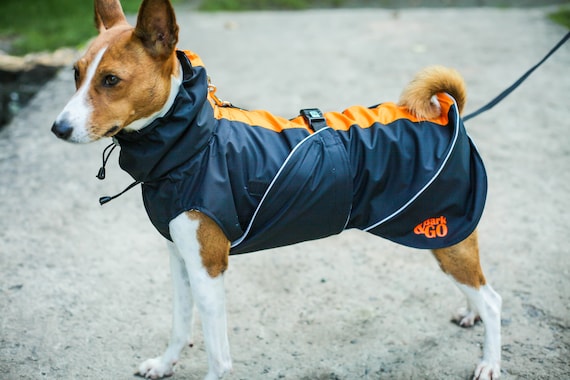
Oh, this makes me think of raincoats for dogs! I like them, and most dogs seem to as well, once they get used to wearing one. I like the kind that have reflective strips on them, and a warm lining. They do need to be re-waterproofed now and then. There are many different styles, even ones that cover the legs. I will mention that most dogs hate having a hood over or around their heads. Try a few to find one that your dog is comfortable in and that is easy to put on and take off-- it's no fun struggling to undo a soggy raincoat from a wriggling dog.

Image result for dog raincoat
Look at how stylish this little fella is! And that belly band will keep his tummy warm and dry, too.
Boots for dogs are another matter. Sometimes there's a good reason for them like keeping a bandage or injury dry, concerns about chemical/fuel residue in the city, or hiking miles of rough terrain. But mostly it seems people just think they're cute. I guess you can spend your money on whatever you like, but dogs have been walking in the rain for centuries without boots and have managed just fine, and most dogs find having their paws covered a little strange.

Image result for dog raincoat
"I'm gonna lose one at the coffee shop, one at the park, and chew another off once we get home."
I hope you're keeping dry during this rainy season. Just think, in a few months we can start complaining about the heat instead. Thanks for reading! See you next time.

Monday, December 30, 2019

A Typical Petsitting Visit: Albert; PLUS bonus visit: Frank

As anyone who works with animals can tell you, there's no such thing as a "typical" day. Each visit is as unique as the pet I'm caring for. Here's an example of what I do during a petsitting visit, based on real clients. (I've changed names and certain details to protect their privacy, and all pictures are from Google.)

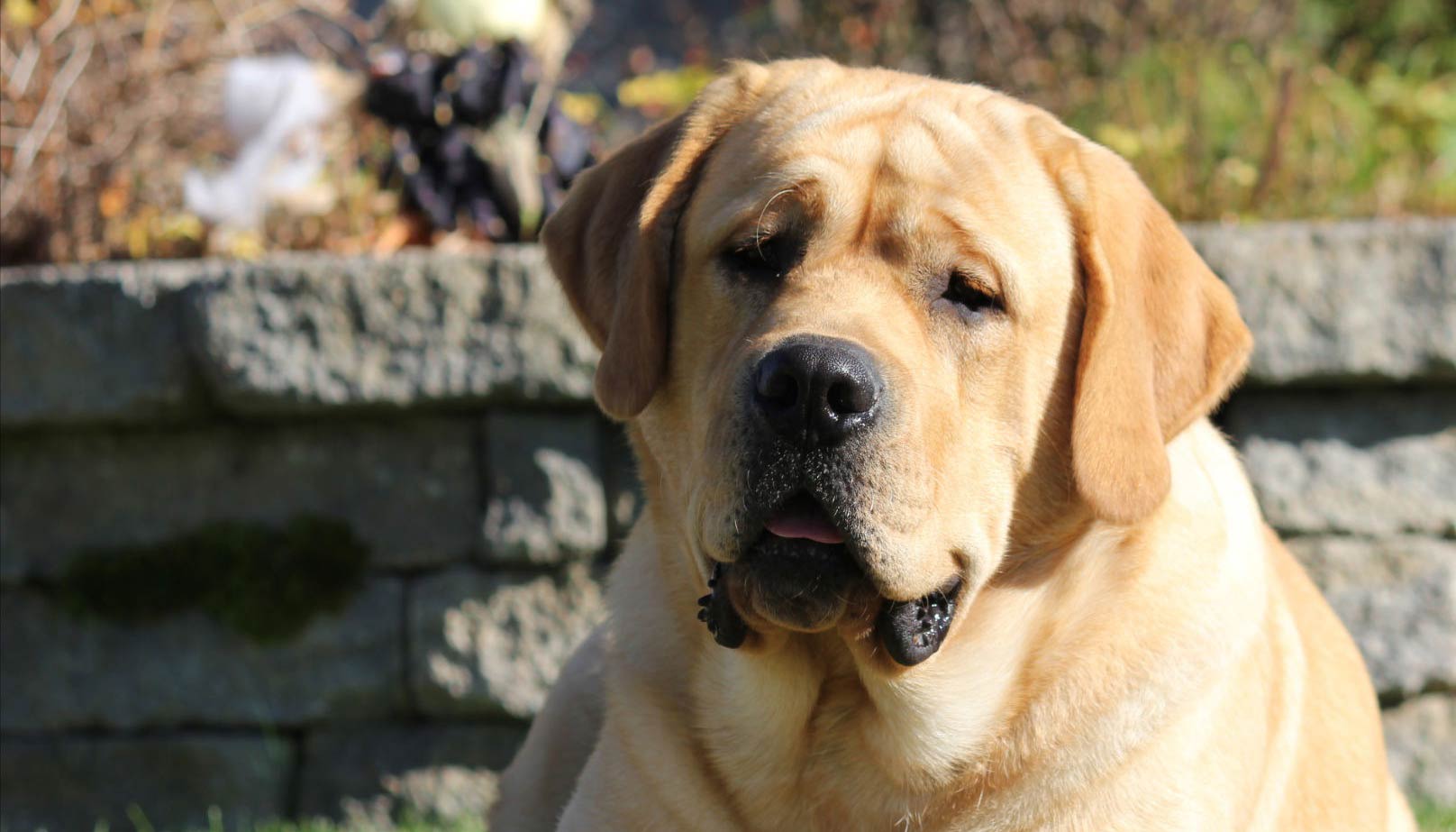
My stop is a dinnertime visit to a single-family home with a fenced yard. My client is Albert, a five year old neutered male yellow lab. 

I park in the driveway and enter through the side gate. Albert stays in a large outdoor enclosure in the back yard while his people are away, so I don't need to go into the house at all. Hey there, Albert! 

Image result for yellow lab

Albert is barking excitedly and jumping up on the door of his dog run. I ask him to sit, and when he does, I open the door and let him out into the fenced yard. While he runs around making sure every tree and bush is right where it should be, I make his meal: half a can of wet food, and half a cup of dry kibble. I stir it together with a splash of water. Albert is a big dog, but he's bigger than he should be, so he's on a bit of a diet.  I give him his dinner and then fetch his water dish from the dog run. I dump, rinse, and refill it with fresh water, then put it back in the run.

While he licks his feed pan to be sure he's gotten every single molecule of his meal, I walk the yard and pick up any poop I find. I also take a look at the plants to see if any of them need watering. Albert's owners are big gardeners, and they pay me a little extra to run the hose if needed. 

Done eating, Albert? Okay, let's go for a walk.

Albert's owners have taught him very good leash manners. He doesn't pull on the leash at all. In fact, he tends to dawdle a bit while he sniffs here and there, and leaves a dribble to mark his favorite spots.  I take out my phone and start reading aloud to him as we stroll along. 

Wait, what?

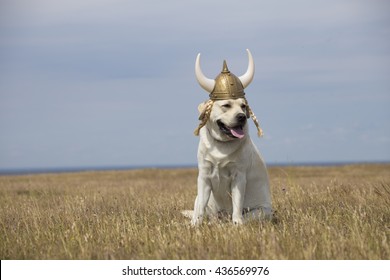
Yes, I often read aloud to the pets in my care. I've read classics like The Iliad, The Odyssey, Canterbury Tales, Alice In Wonderland, Dicken's A Christmas Carol, and Spenser's Faerie Queene, and sometimes I read funny stuff like Terry Pratchett or Douglas Adams. Today we're reading one of the Icelandic Sagas -- viking stuff. What do you think, Albert? Would you sail on a boat with this guy Hrut? He sure seems to get into a lot of situations.

Image result for yellow lab in norse helmet

Well, it's something to think about, isn't it. I think you'd look very stylish.

Albert stops to do his business, so I dig a bag out of my pocket. After picking up, I tie a knot in the bag and we head for home. I can see someone approaching about a block away with a German shepherd. Albert is fine with some dogs and not others and I've never been able to figure out what his deciding factor is, so I steer him across the street to avoid a confrontation. I wave and smile to the other walker. Nice dog! 

Back home. Dog bag goes in the trash can. Is today trash day? No, it's recycling, isn't it. I roll the green bin to the curb for pick-up. Come on, Albert, time for your treat.

Once we're safely in the yard with the gate secure, I take off the leash. Albert knows the routine, so he goes straight into his dogloo in the dog run. I toss him a treat and latch the door to the run. You be a good boy, Albert. I'll see you next time. No barking, okay?

I go through the checklist in my head: food, water, yard check, walk.. yep, everything is good. I make sure the yard gate is secure behind me as I leave. 

After a short drive across town...

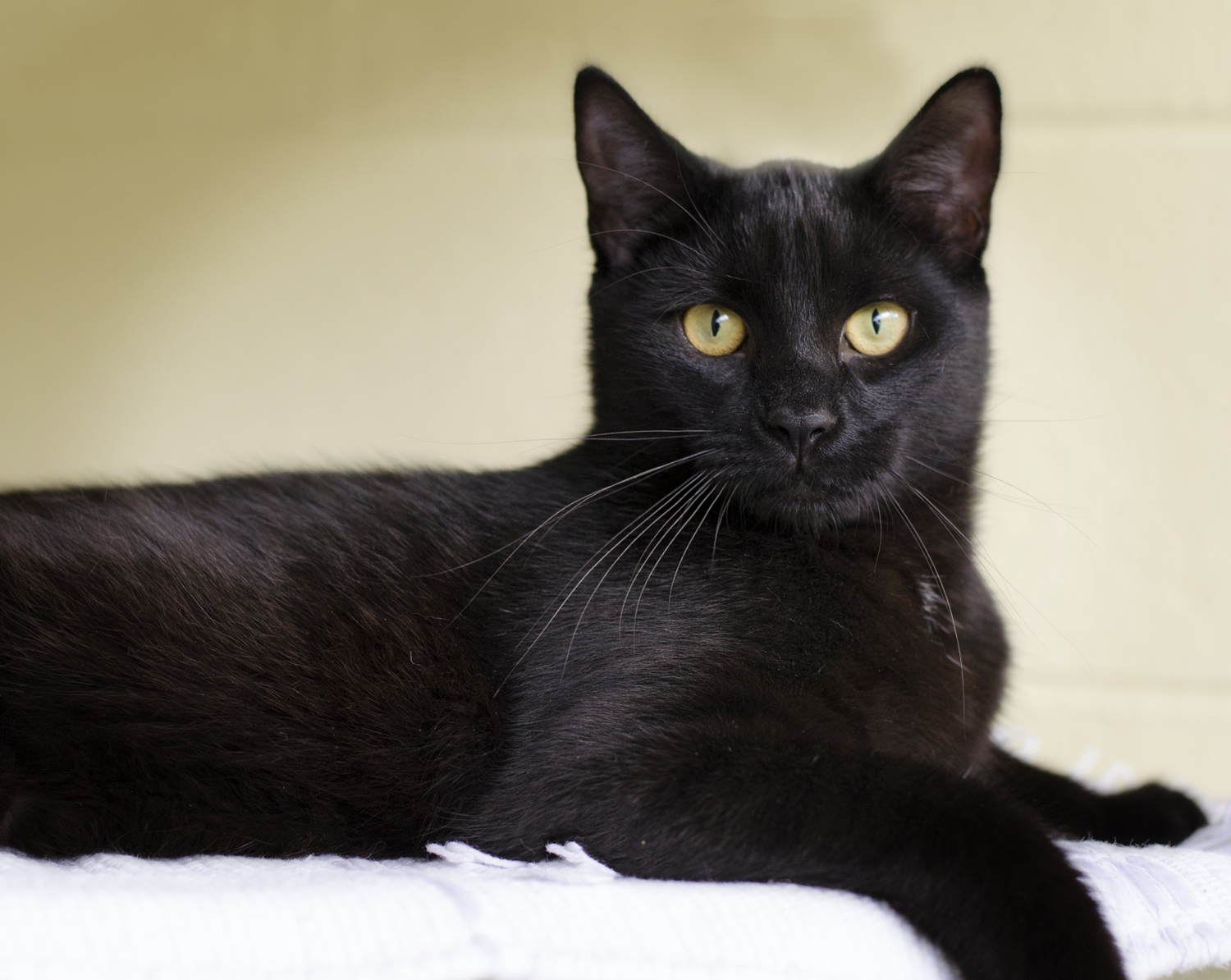
My next client is a dinnertime visit to a single-family rental home with a three year old neutered male black cat named Frank.

Image result for black cat


I let myself in with my key, and I see Frank run down the stairs and into the kitchen where his food dish is. Frank is a big kitty, but he has the squeakiest kittenish "mew". He's already hollering at me about how he's never been fed in his entire life MEW MEW MEW MEW MEW

Allright, Frank, settle down; I'm getting it. 

Frank gets half a can of wet food in his dish downstairs, and a scoop of dry kibble in his food puzzle upstairs. While he gobbles down his meal, I see to cleaning the catbox. 

I put the bag of litterbox scoopings by the front door so I remember to take it out the the trash when I leave. Then I settle down on the couch and start reading aloud to Frank. He curls up on a folded blanket next to me while I pet him and read, but soon he climbs into my lap and butts his head under my chin. Then he starts kneading on my shoulder, and his claws are sharp! Ouch, Frank!  I move his paws and feel wetness. Frank is a drooler! Some cats do this when they are very content. I take it as a compliment, but I'd rather not be soggy with cat spit, so I move him back to the folded blanket while continuing to pet him. 

I hear voices outside. Neighbors? No, it's right outside the door. And there's a clanking, metal sort of noise. What is going on? I look outside and see three people standing in the driveway. Stay here, Frank. I'm gonna check this out. I take the bag of litter scoopings out to the trash can.
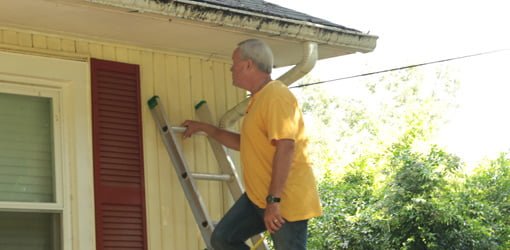
There's an older guy and a younger couple. They introduce themselves as neighbors and the older guy says he's here to clean the gutters. I nod and put the trash in the can. I surreptitiously take a picture of them with my phone, and then go back inside and lock the door. 

Image result for guy holding ladder driveway gutters
(Remember, all pictures are from Google image search. This isn't the actual guy I'm talking about.)

Inside with Frank, I text my client the picture and tell her what's going on. Does she know these people? She doesn't, so I wait while she contacts her landlord. A few minutes later, I get another text for her: it's okay, the gutter guy is part of the landlord's team. The other couple are next-door neighbors. Nothing suspicious is going on.

Allrighty, then. Frank is fed, his litterbox is clean, I'm soggy with his drool, and all is right with the world. See you tomorrow, Frank. Be good! 

I take the security of my clients' homes very seriously, and I am always alert to any situations that seem unusual. Thankfully, situations like this are very rare. 

I hope you've enjoyed this further look into what it is I do every day. Thank for reading. See you next time!
Tuesday, December 10, 2019

Ask a Petsitter!

I always enjoy talking about what I do, so last week I asked everyone who follows me on Facebook to give me a question to answer. Here's what they asked:


From Art S. My dog hasn’t moved much in the last 20 years. How do I get life into her?

Art, I believe you need to take a careful look at your dog. Start with the eyes: are they fixed and glassy? Perhaps even actual glass? If the tongue is protruding, is it dry and clothlike? Finally, look at the belly and hind legs: do you notice a tag or label of any sort sticking out? If so, your dog is a stuffed toy. Congratulations on your low-maintenance pet!

Image result for old stuffed dog


From Paige L. Do you find that the owners have more anxiety about the pets than the pets do?

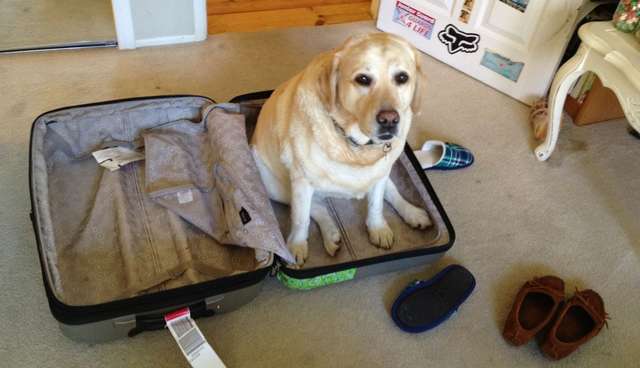
Yes, I'd say the owners are more anxious. But that's because they have a bigger brain and understand what's going on. ("We're leaving and won't be home for two weeks!") There's always a little apprehension when leaving your pet in someone else's care. It's understandable to wonder if a change in routine will be upsetting to the pet, or if they will be lonely/worried/bored when family members leave. But I find that most dogs and cats take it very much in stride.

Some pet owners leave very detailed instructions for meal preparation and care, and I love that. I always say "the more you tell me, the better I can do my job". I want to provide care that maintains the pet's regular routine as much as possible. Being in their own home, going for walks in their own neighborhood, and eating their accustomed food at the usual time helps them feel like things are okay.

It's very rewarding to have clients tell me that they are less stressed about going away because they know their pets are happy under my care. 

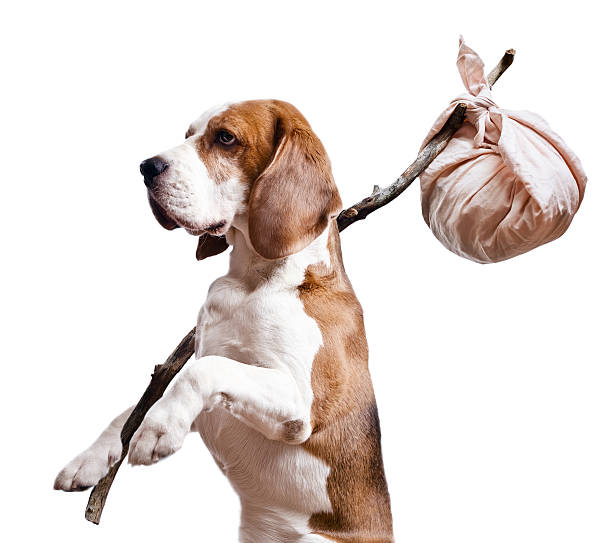
Image result for dog suitcase


From Paige L. What is the best way to prepare your pets for a pet sitter coming in?

The most important thing is to have your dog well-socialized. A dog that's used to meeting people outside of the family will be more relaxed and welcoming when a petsitter arrives. This isn't something you can do in a few days before you leave for vacation, though. Antisocial cats aren't a problem; a list of their preferred hiding places is appreciated so I can make sure they're around and avoiding me, rather than actually missing.

Try to have things arranged as they usually are. If your pet is used to having the run of the house, don't decide to keep them shut in the garage or a spare room "to make it easier". I've seen dogs dig through drywall when they feel stressed and trapped. 

Make sure that there are enough supplies (food, litter, etc) to last until you come back. Have these supplies in a location that makes sense, for example, have extra cat litter near the cat box, not stored on a top shelf in the detached garage. I will go shopping for supplies of your preferred brands if I run out, but there's an additional charge for that because of the inconvenience.

Sometimes I need cleaning supplies to manage messes. A bucket with cleaners and a roll of paper towels or some rags is a super handy thing to leave out for me. 

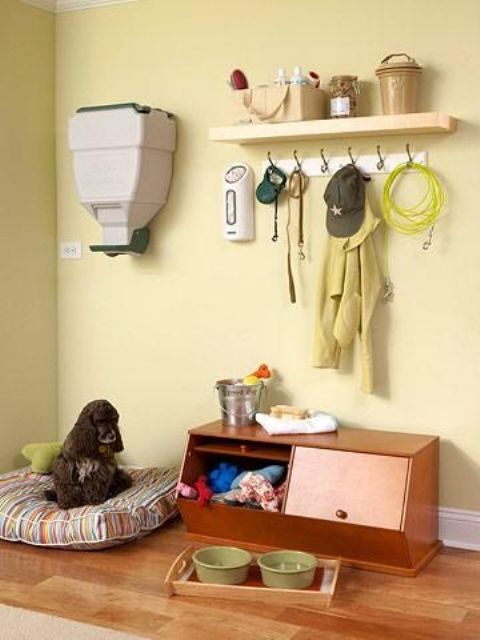
Image result for organized dog supplies
This is a petsitter's dream! So organized!

From Karen E. How do I get my dog to stop pulling on the leash when I take her for a walk?
From Lori B. I have a leash puller. Other than that, she's delightful. How do you stop a 60 lb retriever from taking YOU on the walk?

Oh, this is my favorite question! Here's the simple answer: don't let them. For more details, see my blog posts here on the magic and science of dog walking.  I wrote a whole series. It takes time and you have to be consistent, especially when you have an adult dog that needs retraining, rather than a puppy, but it's totally doable -- and usually you don't need any special tools, just a regular collar and six-foot leash. 


From Elias T. What do you do with a dog who is generally a well behaved dog, but won't stop jumping on people when they come in the house?

You introduce the magic of "sit."  Right now, your dog jumps and dances because that's what she's always done and you haven't told her to do anything different. 

Keep some small treats by the door. When you come in, ask her to sit and give her a treat when she does. Don't stand there watching her bounce around while you say sit sit sit sit sit Sit Sit Sit SIT SIT SIT DARN YOU THIS ISN'T WORKING SIIIIIIIT. That way she's still getting your attention and you're just saying weird sounds but oh well I guess this is how it goes now. Walk in, say SIT and if she doesn't, turn away. Look at your phone or something. Don't push her away or anything. Just pretend she's not there. She'll jump and bark probably, escalating her behavior because HELLO I AM HERE HELLO PET MEEEEEEE and don't you DARE give in to that. Just wait. Eventually, three hours later, she will stop in confusion (or fatigue) and sit down to think about why you are being so weird. Yes! Sit!  you say, and finally give her that treat.

Then go outside again.

Wait, what? 

Yep. This isn't something that will be fixed in one or two tries. Out you go. Wait a few minutes and then come back in. Say SIT and repeat what you did before, ignoring that bouncing dog and only giving her attention when she sits and is quiet. 

But that will take forever! 

Yes it will. Or at least it will feel that way. And believe me, it's not fun for her either-- she's going to be confused. It's how you would feel if a friend came to visit and was suddenly speaking a foreign language. Come on, you'd say. Let's speak English like I'm used to! I don't understand what you're saying. So you make it easier by being calm and quiet and saying that one word you know that she knows: "sit".

She's a smart dog. She wants to do the right thing -- you say she's well-behaved. You'll probably notice the little light bulb over her head click on about the fifth time you come through the door. OOOH I get attention when I sit! then she'll stop jumping and start sitting faster and faster.  

Again, you'll have to be consistent. And you'll have to tell everyone who comes in to ignore her as well, until she learns.

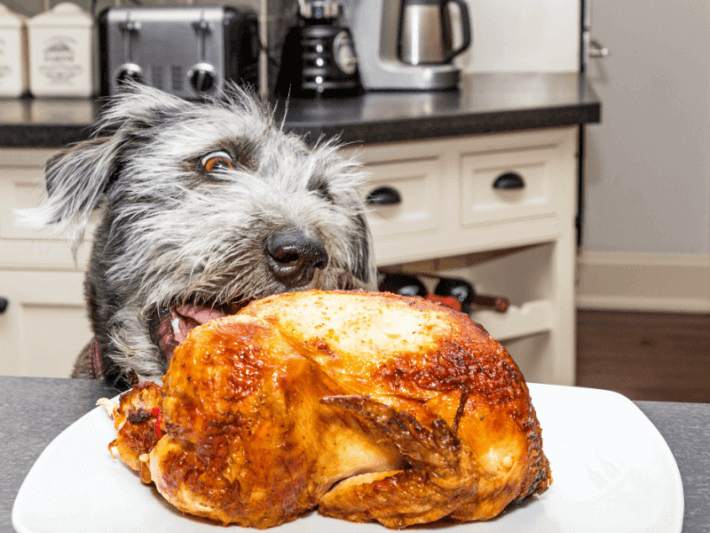
Alternatively, you could give her a roast chicken every time you come in, and then she'll be so busy eating chicken that she won't have time to jump. But that's gonna be a lot of chicken. 

Image result for dog stealing food


From Laura O. Can you teach an old dog new tricks? Or manners?

Absolutely! Any dog can learn new behaviors, although your success will be determined by how consistent you are and how valuable the reward is for the dog. 

It's easier to teach a dog something new than it is to get then to un-learn an established behavior. If your dog is used to sleeping on the couch, for example, and then you get a new couch and decide that you'd rather it wasn't covered in pawprints and dog hair so the new rule is "No dogs on the couch", it's going to take some time to break that habit -- especially if there's someone else in the home that says things like "It's just a for a little while," or "But he looks so comfortable!"


Thank you for your questions, everyone! I'm always happy to talk about what I do. Keep sending me more, and I'll answer them in upcoming blog posts. 

Monday, December 2, 2019

Litterbox Troubles


All cat names have been changed to protect the guilty little poopers' identities and privacy.

Image result for cat poop everywhere


Over Thanksgiving I had four cat clients whose care presented litterbox challenges. I thought an insight on how I work with them might be interesting for you. Here's our kitties:

Sammie is a 13 year old spayed female. She takes daily blood pressure medication that causes constipation, so she also gets a mild laxative powder in her food. She has two litterboxes she uses consistently for peeing, and she poops on the linoleum floor about a foot outside the box.

Jerry is a 6 year old neutered male. Like Sammie, he has two litterboxes available. He pees in the boxes and poops on the floor nearby.

King Leo is a 17 year old neutered male in excellent health. He has one large litterbox he uses consistently, but often pees over the edge.

Carlos is a 19 year old neutered male. He takes blood thinners and has a slight limp due to a recent blood clot in his thigh. He has four litterboxes that he uses occasionally, but he prefers to pee and poop just about anywhere on the cement basement floor.

Disclaimer: Sometimes a cat will change their bathroom habits when they are sick. It's a good idea to have a vet check your kitty if they are having litterbox issues. My four example cats (with the exception of Sammie, who is a pretty pretty princess whose medication regimen sometimes affects her bathroom habits) are healthy and have no medical excuse for their sinful ways.

The first thing I look at when a cat "thinks outside the box" is cleanliness. No one wants to use a toilet that is dirty or smells bad. I scoop out all the clumps and solids, and clean any messes around the box.

If it's a hard surface like tile or linoleum, I prefer to use bleach. It kills germs and odor and it's cheap.  One of my clients told me about using rubbing alcohol to use on rugs or carpets, and I find it works just fine. It also kills germs and odor and is cheap, it evaporates and dries quickly, and it won't discolor the fibers. (Test it in a hidden area first, to make sure.) There are also special enzyme cleaners available in stores, and I've used them with good results.

Getting rid of all traces and smells is imperative. Any lingering residue or odor signals the cat that this is a place where it's okay to go. Scented air fresheners will do nothing; the spot must be scrubbed and sanitized!

Once the area is clean, then I look at the location and position of the box. Does the cat feel exposed? Their animal brains may be domesticated, but their feral instincts still worry about being ambushed. Make sure the cat has little privacy and they feel secure. A place that doesn't get much traffic like the laundry room or a spare bathroom is good. Place the box near a wall or corner for an added feeling of security.

Okay, cats. Your litterboxes are clean and cozy. Let's see how you react.

King Leo promptly steps in and pees over the edge onto the carpet. Well, this is surprising, especially since I was standing right there watching him, and he was looking at me. His nonchalance leads me to believe that he had no idea anything was amiss. He had all four feet in the box and thought he was being a proper gentleman. My recommendation: get a box with taller sides. He's an old cat but he's in great shape, often jumping onto the kitchen counter, so he won't have any trouble jumping over the sides of a tall box, and the taller sides will keep everything inside the box. No more "splash zone"!

Sammie makes no change to her habits; pees in the box, poops on the floor nearby. I wonder if she's trying to communicate that she doesn't feel well? I clean the floor, put down an absorbent puppy pad, and text the owner with my observations.

Jerry continues to use the box for peeing, and moves his pooping place to the carpeted stairway that leads to the room downstairs where his food dishes and litterbox are. I think he's upset that I cleaned up that room, destroying his scent marking, and he's trying to make his territorial boundaries clear: This is my space. No intruders allowed. Stay away!

I clean up the droppings and put some in his litterbox, to help him get the idea. I think he's only marking territory like this because he doesn't know me that well. I'll have a discussion with the owners when they get home about what to do if he continues. There are two small boys in the household and it may be that the cat wants more space and alone time than he's getting.

Carlos is a challenge. He's old and used to doing things his own way. I cleaned and deodorized the main area of the basement where he had been soiling, then blocked it off so he couldn't reach it. I moved the boxes to a different spot nearby hoping that he would use them based on scent. And he sort of did. Then he just found a new area of the basement to whiz all over.

Because I am only hired to clean the litterboxes once a week, it's difficult to tell what the problem is. It may be that he is fussy, and once a box has been used a time or two, he won't use it. Or it may be that he doesn't like the litter. The particular brand his owner uses isn't great at controlling odor, and it may be that he doesn't like the smell.

I clean and deodorize the new place he's found to soil, and block it off so he can't get to it. The same thing has happened when I come the following week: slightly used litter, freshly soiled area of the basement.

Next week I will be assuming daily care of Carlos for a few weeks, and that is when I can really pinpoint what is going on. I'm going to deep clean his litterboxes, try some different litter brands in two of them, and minimize the space available to him in the basement.

Doing this much work isn't really part of my service, but the situation is so advanced that I consider it a health and safety hazard and I must do something in order to continue to provide good care. When the owner returns, I will have a meeting with her to discuss what I've done and to make a plan for going forward.

In closing, most cats are litterbox champs and don't cause a bit of trouble. If there is a problem (and the vet has ruled out medical causes), careful clean-up and some simple changes can often get your cat on the right track. I am happy to help, of course!

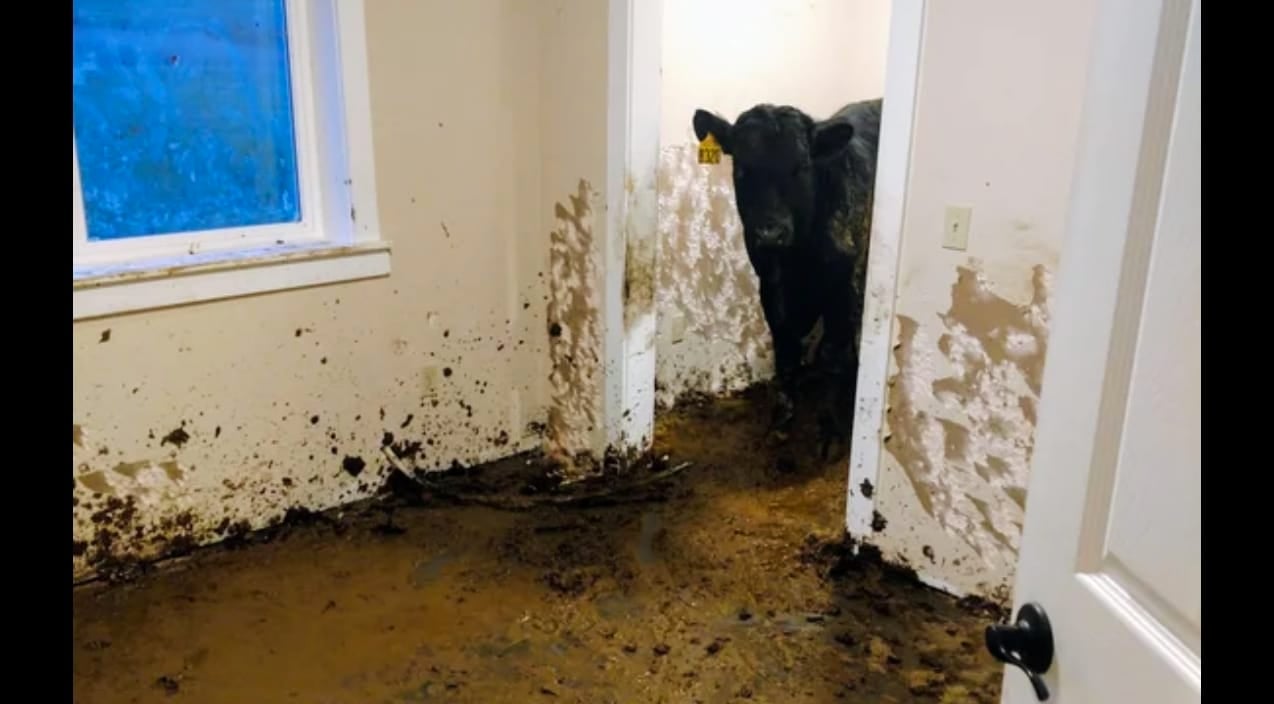
And hey, at least you don't have cows.

Image result for cat poop everywhere

Tuesday, November 26, 2019

A typical petsitting visit: Tink and Gregory

As anyone who works with animals can tell you, there's no such thing as a "typical" day. Each visit is as unique as the pet I'm caring for. Here's an example of what I do during a petsitting visit, based on real clients. (I've changed names and certain details to protect their privacy, and all pictures are from Google.)

My stop is a dinnertime visit to a single-family home with a fenced yard. My clients are Tink, a 14 year old black lab who is mostly deaf, and Gregory, a recently-adopted tabby cat they think is about 3 years old.

I ring the doorbell and knock before entering. I'm not sure how well Tink can hear, and I don't want to surprise her. As I enter, I stomp my feet on the mat by the door so she can feel the vibrations. Sure enough, I hear dog tags jingle in the living room, and Tink comes down the hall to greet me. Hi, girl! Do you need to go outside? Let's do that first thing. Tink doesn't go for walks anymore, her hips get too sore, so she gets yard time instead. Her humans left about four hours ago, so she probably needs to pee and I con't like to keep an old dog waiting.

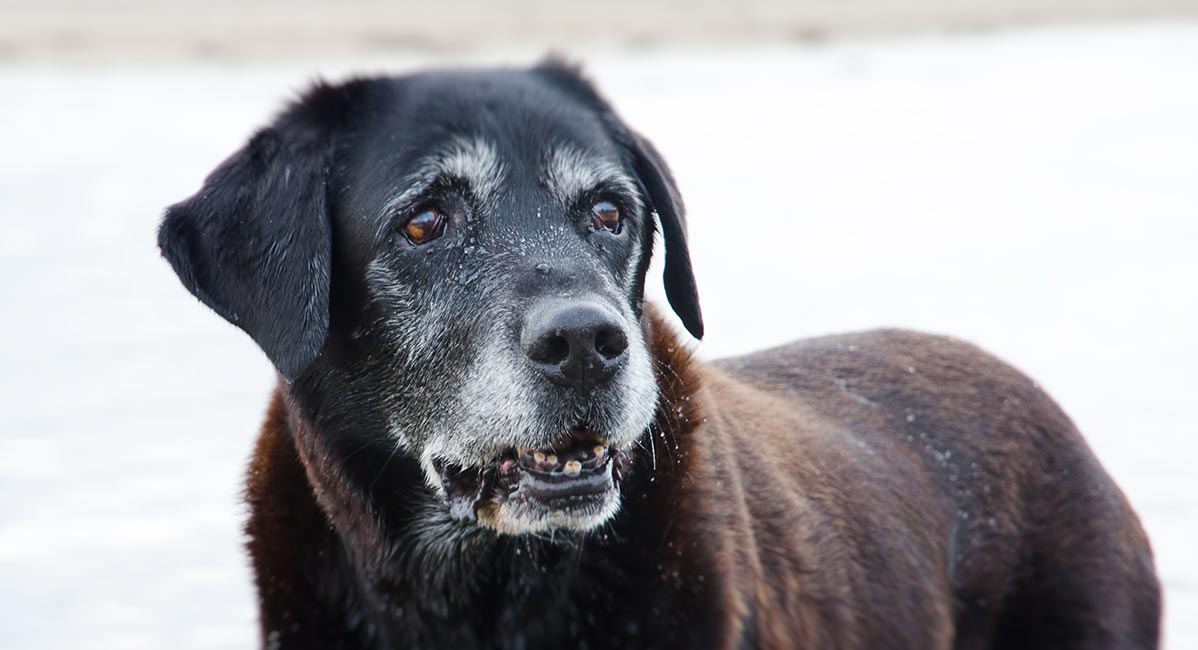
Image result for old black lab


I make sure the front door is closed and locked behind me. Tink and I walk through the kitchen to the back door and we go out into the yard together. I close the sliding door. Gregory is an indoor-only cat, and I don't want him sneaking outside. I make a visual check that both gates are shut and secure. Usually I'll do this before letting a dog out, to prevent a possible escape, but Tink's old hips are a little stiff and I'm not too concerned about her running anywhere. Tink sniffs around for a while, squats and pees, and then lays down on the patio in the sun. It's a nice day, so I decide to let her enjoy that while I go check on Gregory.

Gregory has his food bowls on top of the washer in the hall by the garage so that Tink can't get to the cat food. My instructions say he gets one scoop of dry food and a half can of wet every day. I scoop the kibble into his bowl and then go to the kitchen to wash his wet food dish and check the fridge for an open can. There isn't one. I open a new can, put half in his clean dish, and put the rest of the can in the fridge with a plastic lid on it. Gregory! Kitty-kitty! Chow time! Come and get it! 

...Gregory? Where are you, puss-cat?

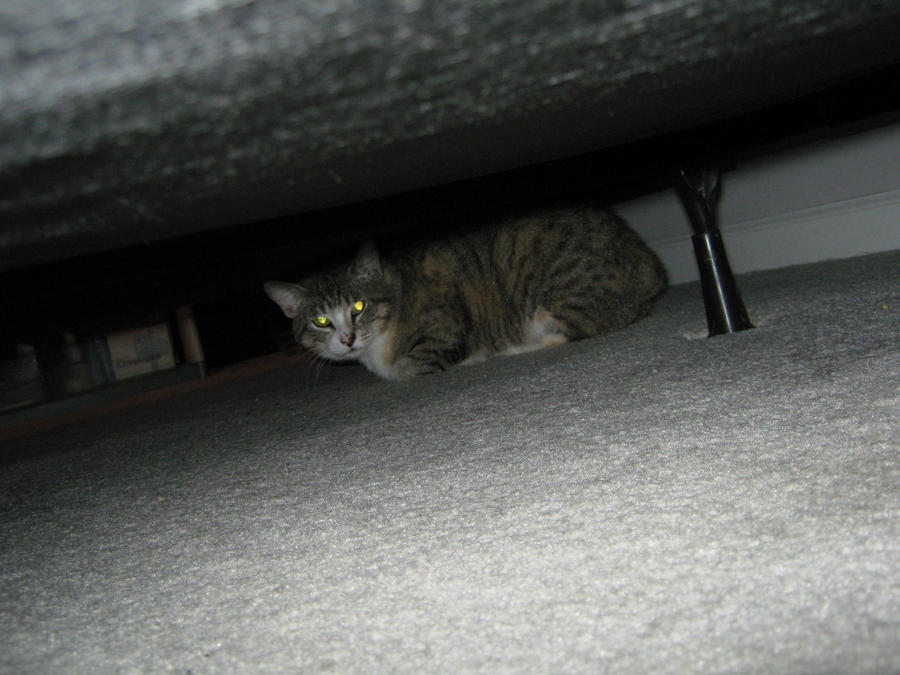
I walk through the house, looking in every room. No sign of the cat. I check my notes. The owner hasn't mentioned any favorite hiding spots, but under a bed is a pretty good guess. The master bedroom door is open. I call softly, and look under the bed. Two green eyes glow back at me from the farthest corner. It's okay, Gregory, it's just me. We've met before. Your dinner's ready. I'll go away so you can go eat.

Image result for cat under bed

Tink doesn't want to leave her warm spot in the sun, but she changes her mind when I bang a fork on her metal dog dish. She can hear that, well enough! One scoop of dry kibble, one can of wet food, a measure of her hip supplement and some warm water to mix it all together. Top it off with her prescription pill hidden in a pill-pocket, and it's dinnertime. Bon appetit, pupper! 

While she eats, it's time to clean Gregory's litter box in the basement. In the past, they were having trouble: he would pee in the box, but preferred to poop a few feet away. What the heck? They were using a box with a cover, so I suggested taking the cover off to see if that changed anything. Then they noticed he'd stand in the box, and poop over the side onto the floor. He's a pretty big cat, and I don't think he realized he was missing the mark. They said they had gotten a bigger box for him recently, so I'm interested to see how things are going now.

Oh, wow! They're using an under-bed storage box for his litter! It's really big -- 18" x 36", I'd guess, and the litter is about six inches deep. I whip out my blacklight flashlight to see if there have been any misses, but the floor shows nothing, nice and clean. Good kitty, Gregory! I'm so glad. I scoop his deposits into a plastic bag and tie it shut to carry out to the trash bin.

Done eating, Tink? Right on. Let's go back outside. Dogs usually want to poop after they eat, and Tink is pretty predictable. There we go. Thank you! I pick up her deposit with a plastic bag, tie it shut, and put it in the trash bin along with Gregory's litter box scoopings. 


Back inside, Tink goes to lie down on her bed. All this activity is tiring for her. I look down the hallway to the garage and see that Gregory is eating the wet food. Good deal. Both pets have fresh food and water, their bathroom needs have been met, and they seem comfortable and content. I think my work here is finished!

Okay, you two. I'll see you in the morning for breakfast. Be good! I check to make sure the back door is secure and locked, then shut and lock the front door as I leave.

I hope you've enjoyed this insight into what I do. I'll be doing a few more in the coming weeks featuring different pet care situations. Thanks for reading! 

Tuesday, November 19, 2019

Happy Wolfenoot!

Wolfenoot is a holiday that was invented by a seven year old boy. His mother thought the idea was charming, and posted about it on Facebook in 2018, and since then it's attracted a band of celebrants. You can learn all the details by clicking here.

It's a holiday that celebrates the spirit of wolves and our love of dogs. What a great idea!

It is technically celebrated on November 23, and that's right around Thanksgiving Day in America, which makes it difficult to plan a party that everyone can attend. My Wolfenoot tends to move around a little on the calendar so all my friends can come and play. 

You can tell a child invented the way of celebrating, because it involves gift-giving. And I can understand that; the giving of presents to mark special occasions is an ancient tradition, and who doesn't like getting presents? My family's observance doesn't emphasize the gift aspect, however,  preferring to focus mainly on eating and playing a few "traditional" games. (Can you call something a tradition if you've only done it for two years?) Our celebration goes something like this:

The guests arrive, wearing their wolf-iest apparel: hats with wolf ears and clothing that includes wolf designs. The table is set with wolf-approved snacks of meat, golden cheese, and a spice cake meant to resemble a full moon. Decorations are inspired by nature, autumn, nighttime, and the full moon. Wolves abound! 


Once everyone has arrived and enjoyed their snacks, the games begin. We play a game of Pin the Tail on the Wolf that in hindsight (pardon the pun) seems a little dark. I've seen a similar game called "Boop The Snoot" where the blindfolded player attempts to pin a paper heart onto the wolf's nose. Much cuter than a tailless wolf! 


Then we play a game I call "Wolfie", a variation on the old Cootie game. Everyone gets a sheet of paper and a marker. Players roll a die to win body parts and the first to complete a drawing of an entire wolf wins. It doesn't matter if your drawing skills are good or bad-- this isn't an art contest. In fact, that's what makes it so hilarious and fun: watching everyone's wolves take shape in surprising ways! This is how our dice rolls went:


Everyone wanted to finish their drawings, even after we had our first winner, so we continued playing until everyone had a complete wolf to show off. Look at these beauties! 


How do you celebrate Wolfenoot? 


Monday, November 18, 2019

Oh No, I'm LOST!

It's a terrible feeling to lose a pet. Where are they? Are they okay? Will they come back? The anxiety and uncertainty is awful. 

Related image

But according to an ASPCA survey, about 85% of lost pets are recovered. There are some things you can do to help your pet get back home. 

The most important thing you can do to protect your pet is to microchip your pet, and make sure it wears a collar with an identification tag with the owner's name and phone number. Animal shelters  routinely scan for microchips when an animal comes in, and any veterinarian will check for one if asked. 

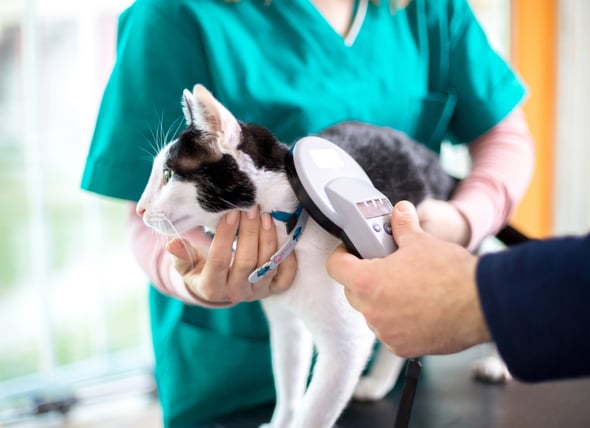
Image result for pet microchip

Speaking of veterinarians and animal shelters: let them know your pet is missing. Start right away, as soon as you suspect your pet is missing. Check back often, especially with the shelters. Some only give found pets 72 hours to be claimed by an owner before they are put up for adoption or euthanized, so don't delay. Bring in a poster that includes the date your pet was lost, and from what area. Make sure it has your name and phone number, and mention any identifying characteristics that might make your pet stand out. If your pet has any special needs, put them in. Here's an example:

MISSING PET: Arlo is a neutered three year old male black lab. He was last seen on July 23, near the Walmart on Maple Street. He has a white tip on his tail. He is friendly, but might be scared. Do not chase! Call Brenda and Don at 123-555-1234

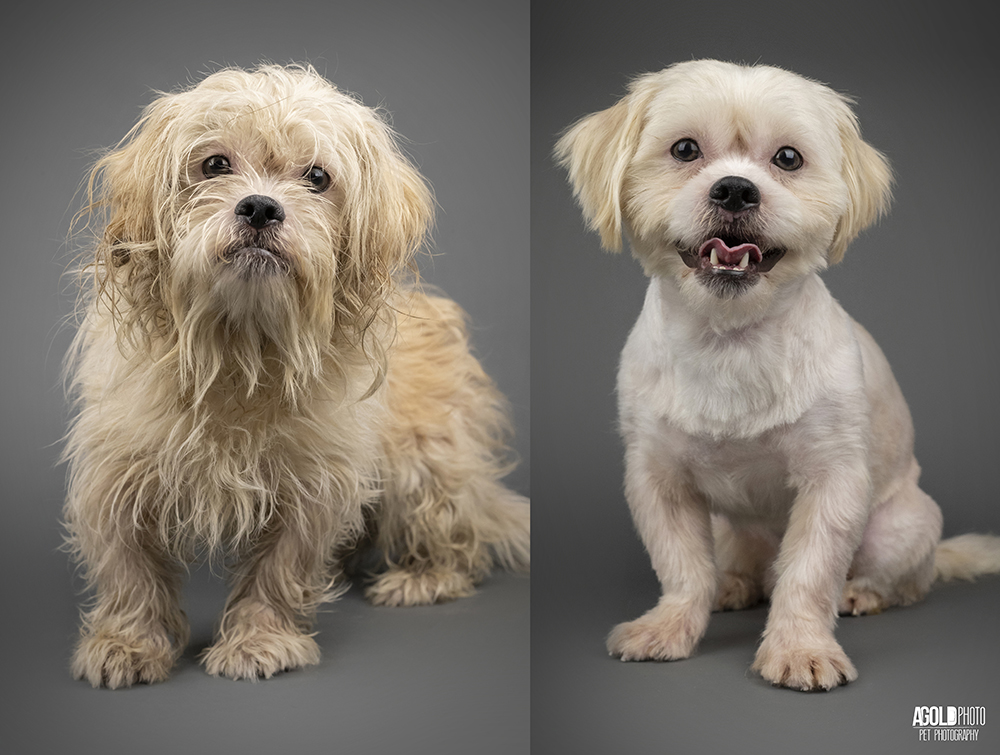
Add a good, clear, up-close picture of your pet. If you have a dog that gets groomed and clipped, take pictures showing what he looks like before and after grooming. 

Image result for before and after grooming
A clean, clipped dog can look very different between haircuts and after a few nights sleeping rough. 
Put these flyers up around where the pet was lost, and around your neighborhood, and don't forget the power of social media. Facebook is great for getting the word out. Nextdoor is a social media site that posts to people in your area; easy to use and a good resource for getting those lost and found critters back home.

Fortunately, animals have a natural homing instinct and if they stray from their yard and home, they can usually find their way back. A slightly different situation is the indoor cat that gets outside. Because they haven't established their scent outside the house, they have difficulty recognizing what is home. If your indoor cat gets outside, they often find a place to hide and lay low. The first thing to do is to put their litterbox outside. The familiar scent will guide them. Because they want a place to hide and be safe, put a box or crate outside with a towel, blanket, or shirt inside that has your scent on it. 

Image result for cat box outside
Something as simple as this works just fine. 
I used this strategy myself when our cat Speck streaked outside through the screen door late one night. She was gone over a month, and then one day I came home and she was sitting inside the shelter box, waiting for someone to let her in. She had lost a lot of weight, and we think she probably hid in someone's shed and got shut in accidentally. When a cat goes missing, it's a good idea to go around to your neighbor's homes and ask them to check any outbuildings, to make sure the cat isn't trapped inside. 

Another special situation is the dog out of place, like if you go hiking or hunting. An excited dog following a scent or running after wildlife might not respond to your calls, or might be farther away than you realize. Where's that dog gone off to?The worst part is when it's time to go home and you still haven't found your dog. How can you just leave? It feels like you're abandoning him! 
Again, use the power of scent recognition and tracking. Leave a blanket or jacket in the spot you were last together. (Don't leave food, as that might attract other wildlife.) If you have a crate, that's great. Attach a note to these items, if you can, saying that you're attempting to find a lost dog -- that way other people won't assume the stuff is litter. Come back and check often. My dad had to do this when our dog Duchess didn't respond to his calls. He came home after dark feeling just awful, but the next morning he went out to look some more and there she was, curled up on his hunting coat waiting for him. Where did you go, man? I've been here all night!

I sincerely hope your pet never gets lost, and is always safe and happy at home or right by your side.  

Tuesday, November 12, 2019

What's in your cat box?

When I was a kid, there was one kind of cat litter. It was grey and gravel-y and came in a heavy paper bag. When you dumped it into the catbox, a choking cloud of acrid dust would come up. When the cats were done with their business, it stank. In my childhood home, cats were encouraged to go outside, and the catbox was located in the basement if they needed it. Cleaning it was a horrible, hated chore. 

Image result for smelly cat box
I'm sure the cats weren't too happy about the whole thing, either,

Then clumping litter came out, and that was just awesome because it made it easy to get all the yucky stuff out, leaving clean litter behind. I love a good clumping litter. It's what I use and recommend. And in the last twenty years or so, dozens of other litter varieties have come on the market.

Image result for kinds of cat litter
So many kinds of litter! And these are only a few!

"Oh boy," you're thinking, "Now she's going to start telling us her opinions on all the things wrong with any other kind of litter."

But actually, I'm not. And here's why:

Cats are finicky. They like what they like and hate what they hate, and often make their feelings quite clear about preferences.

I will say that most cats seem to prefer finer-textured, unscented litter. They like it to be nice and deep for good digging and burying, and they like it to be clean.

I've got clients that use pine pellets, crushed walnut shells, recycled paper, ground corn cobs, wheat pellets -- all kinds of different litter. There are definitely some I find easier to keep clean than others but when it comes right down to it, if your cat is happy and healthy using it, it's a win. (However, I have heard the desiccant crystals can be hard on a cat's paws, causing dryness and cracking.) So find one that you and your cat like, and to heck with anyone else's opinion.

Because if your cat is unhappy with its litterbox, you're going to find out in a variety of awful ways.

-- They will find another place to do their business: laundry baskets, your bed, closets, etc. I guarantee you will not be happy with their choice, and it is very difficult to get the smell of cat whiz out of anything.

--They will not use the box as frequently as they need, preferring to "hold it" until they simply must. This can lead to bladder infections and other issues.

--They will do a "hit and run" where they spend as little time as possible in the box, leaving deposits unburied. Ahh, the aroma. It wafts, this bewitching scent, throughout the house.

Image result for disgusted face
"Welcome home. I hate this litter. Love, your cat."
Find one you both like. Keep it clean. That's pretty much it!