Tuesday, October 22, 2019

Litter Box Talk!

I've scooped and scrubbed a lot of litter boxes in my time as a petsitter, and I have formed some definite opinions on what makes a good place for cats to poop. So today I'm talking about your cat's bathroom options.

Image result for cat litter box


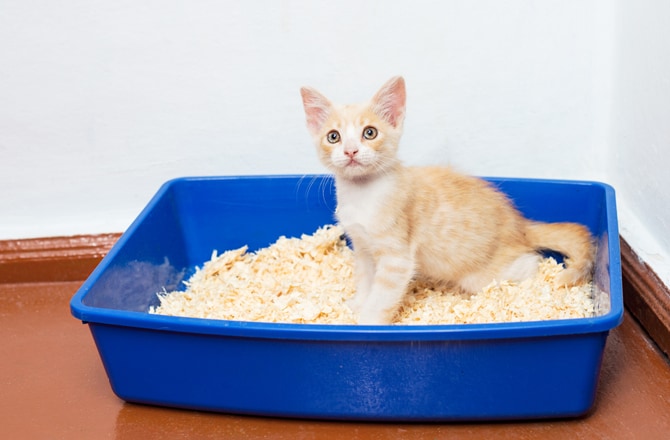
Here's your basic sandbox: about five inches deep, about 15 x 18", plastic and rectangular. These are available anywhere pet items are sold. Cheap and easy to clean. Cats usually like them, but owners quickly discover that there is a problem: litter goes over the sides easily and has to be cleaned up, and sometimes cats will stand in the box and poop/pee over the edge, not realizing that their aim is off. So then this happens:

Image result for cat litter box

Back to the store to buy the snap-on wall extender. No more peeing over the edge! Now urine just hits the side and seeps into the space between the box and snap-on rim, where it leaks, dribbles, dries, and stinks. The front is cut low "for easy entry", so there's still some litter getting kicked out. So then this happens:
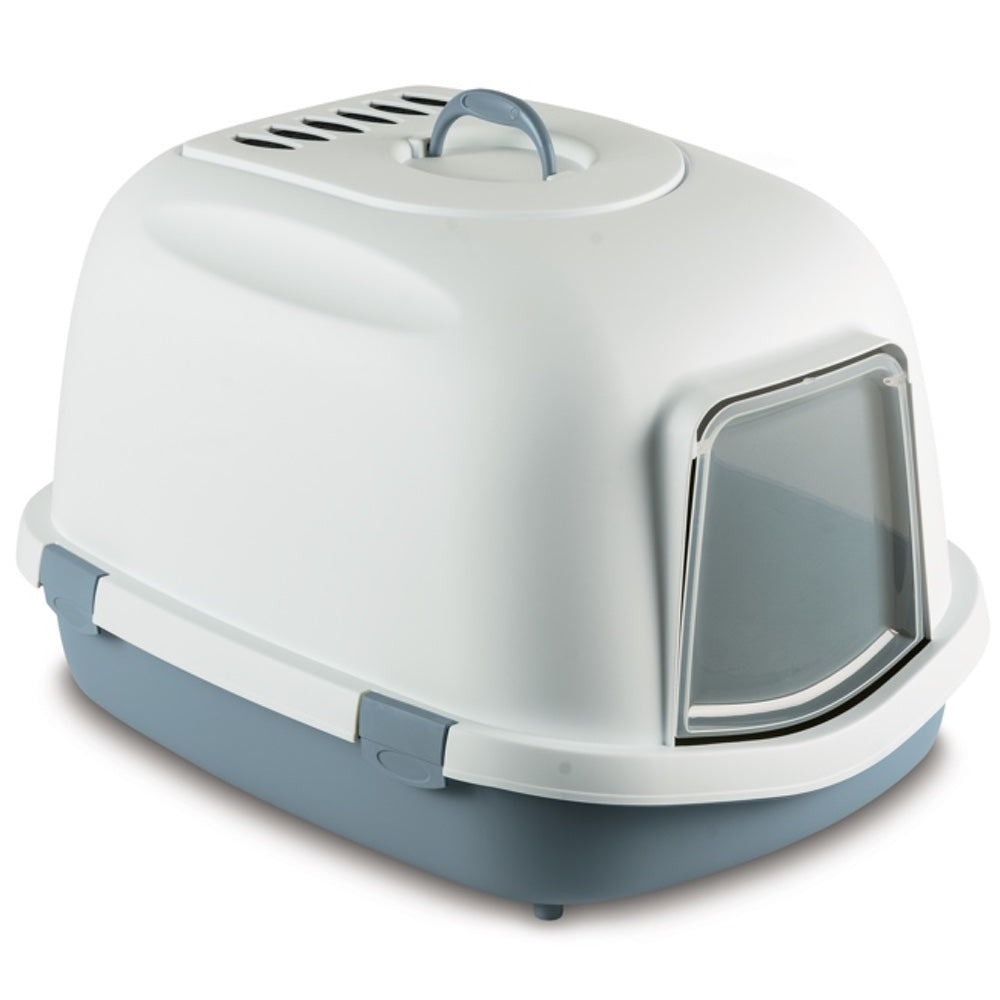
Image result for cat litter box

Okay! Now there's a vent at the top to filter stinky air, and the whole box is enclosed to keep the litter in. So this must be the perfect litter box, right? Except that you have to take off that whole lid in order to scoop, and I can tell you from experience that at least three of those four clips will break in the first few months. And there's still that snap-on space between bottom and top where urine can accumulate, and that vent on top is where the stinky cat box smell comes out. Oh, you can put in a filter to help? There's not enough air flow to make a filter function properly, so it's quite useless except for holding odor in. This box has a door flap, so it actually might also keep odor in fairly well -- a reason your cat might refuse to use it. Take the door off? Sure. Now there's more litter on the floor. 
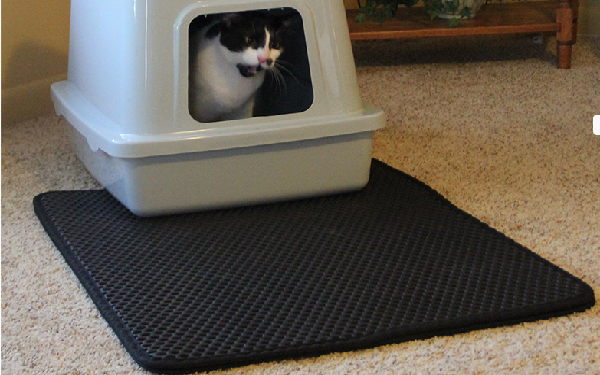

Image result for cat litter box mat


A mat! Now you're thinking. You can vacuum it when you vacuum the floor. So... just an extra thing to vacuum, then, isn't it?

Then there are all the more gadget-y options that spin, sift, and make all sort of clean, fresh promises for you and your cat:
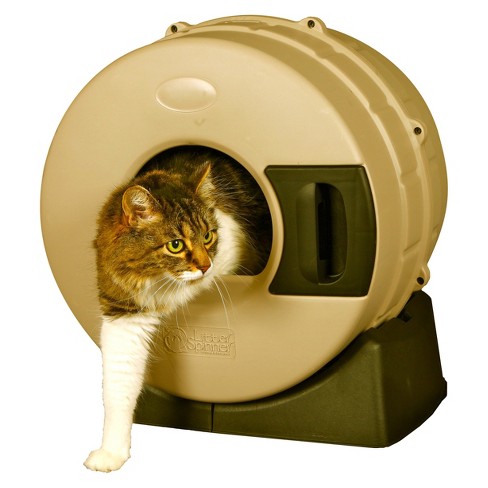
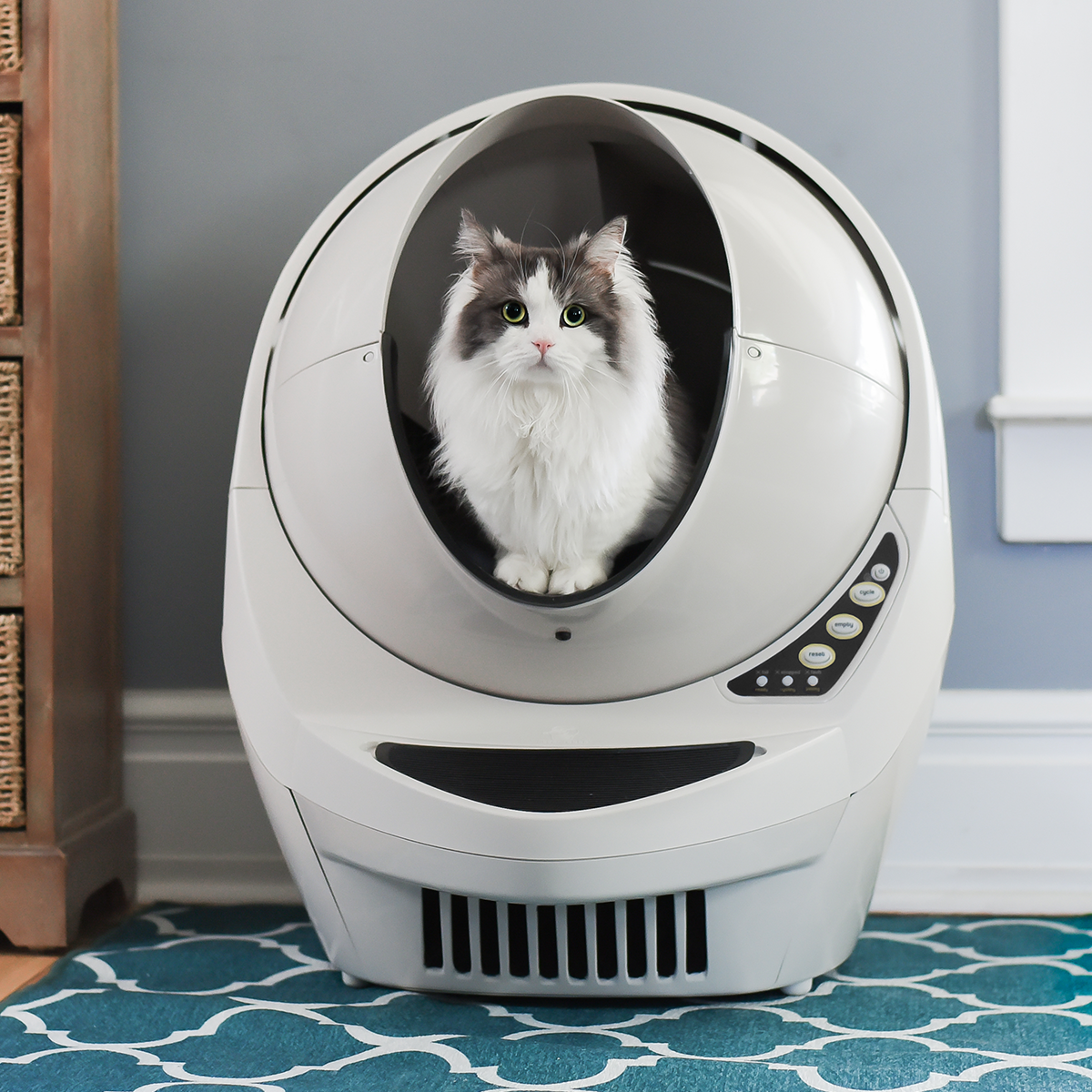
Image result for cat litter box

Image result for cat litter box

Image result for cat litter box

That last cat looks as if she were ready to go for a ride if someone would just fire up her hovercraft.


Okay, Karen, I hear you saying, so what's YOUR solution? What is the perfect litter box? 


Image result for rubbermaid totes

It's a 14-gallon storage tote! Generously sized, it has walls as tall as your cat. The heavy duty plastic won't crack or break and is easy to clean, with no extra pieces or parts where icky stuff can accumulate. I've used these for years and never found anything I liked as well for simple hard-wearing dependability. I don't use the lid at all, though if you have a curious dog, cutting a hole in the lid will give the cat access and keep the dog out. Don't make the rookie mistake of cutting the side down or putting a hole in the side to let the cat in -- your cat can jump onto the bed or kitchen counter; he can certainly jump into the litterbox.

I like that it holds a lot of litter -- six inch deep litter is usually enough to let the litter clump without sticking to the bottom, which makes clean up easier. Scoop often, and every once in a while I dump out all the litter and give the tote a good wash.

Keep it fresh! Clean litter box = happy, healthier cat!

Monday, October 21, 2019

The Magic and Science of Dog Walking (Part 6)

It will take some practice before you and your dog start walking as a team with no pulling. You might feel like every walk is a struggle and there might be times you lose your cool and give a yank on the leash, or holler -- or both. I'm gonna say something here that might seem controversial: it's okay. If you have been correcting your dog's pulling behavior with consistent checks on the leash and backing up and he was doing okay at first but now he just ignores you and goes right back to pulling, it's frustrating! Let's think about it from a few different angles:

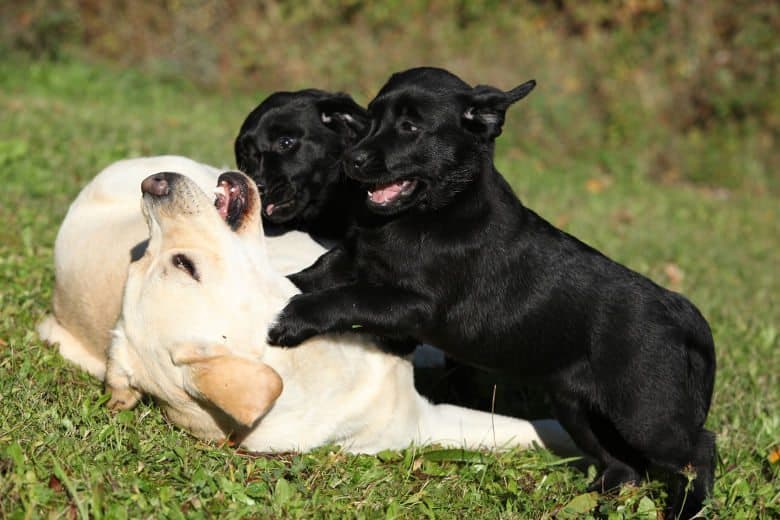
Mama dogs put up with a lot from their pups. She'll lay there, trying to have some peace and quiet in her life, and those pups will be swarming all over her: tugging on her fur, pouncing on her feet, nipping her ears, yapping yapping yapping -- and she'll put up with it for longer than you'd expect with gentle good-nature. But when she's had enough, she'll put a stop to it with a snap or a bark.

Image result for mother dog playing with puppies

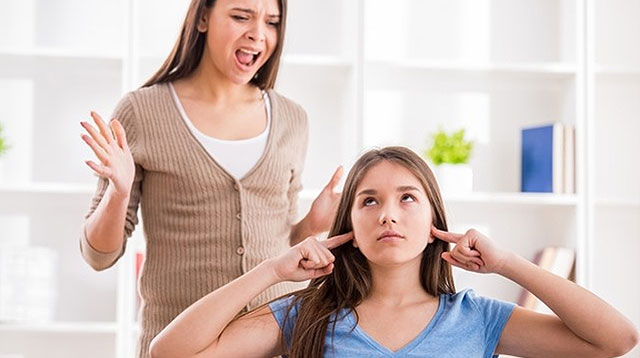
Mama human wants her child to take out the trash. She mentions it at dinner, asks the child to do it before watching tv, reminds the child again when the show was over, and finally hollers and screams until the child gets up and take out the trash.

Image result for nagging mother


In both cases, the youngster is learning just how far they can push or ignore Mama. What's her limit? When will she really mean it? Growing up, couldn't you always tell when your mom meant business? She'd have a look, or her voice would get a certain tone, and you knew it was time to straighten up. This "learning when someone means it" is an important part of growing up.

Now let's think about this: would you like to ask and ask and ask and ask, hoping to get a result, or is it better to ask once and be obeyed?

If your dog is confused by what you're asking for, corrections won't help him. Go back to earlier training to help him learn what is expected. But if you know the dog understands what you're asking for, and he's just not paying attention, then you need to up your game. Make those checks on the leash a little more impressive. Add an angry sound or word ("Uh uh!" "No!") to let him know you're not happy.

A quick note: please don't use your dog's name to scold him. Saying "Arthur, no! You bad dog! Arthur! Bad dog, Arthur! No!" will make him think "arthur" is one of your angry words and he won't respond to it as readily. Remember what it meant when your folks called you by your full name? Boy, were you in trouble! Your dog must always associate his name with good, friendly things.

Cute Search Dog Sniffing The Grass In The Park, Sad Dog On A ...


Oof, this is hard work. Let's give your dog a mental break and let him sniff around in the grass. Stop and ask your dog to sit. Say his name to get his attention (Sparky!) so he looks at you (good dog!) then let him know it's okay to relax (Okay, go ahead.) and give him more leash so he can sniff around.  You can stand and catch your breath.

He's learning that walking is walking, and sniffing, peeing, and exploring are different. It's frustrating to walk a dog that insists on keeping its nose to the ground every step of the way, and stops every three feet to mark his territory. You're teaching him that you decide when and where he can do those things -- so be considerate and stop now and then to let him take care of that important dog business.  It makes him more willing to go along if he knows you'll let him sniff at his favorite spots. If you walk the same route daily, he'll soon learn the places where it's acceptable for him to stop for a break.

To wrap up all this magic and science of dog walking, I have one last piece of advice: take your time and don't worry. (Is that two pieces of advice? Hmm.) Some dogs learn very quickly, others take a while to figure out what you want. It's all part of your own dog's special personality, unique to him, and as you work together to figure out this whole "walk with no pulling" business, you will be building a closer relationship with each other. That's what it's all about! 

Friday, October 11, 2019

Why Crates are so Great

I was a busy, noisy kid. My imagination led me on wild adventures, and there were times when my mother must have been at her wit's end, with me running through the house yelling, sneakers pounding across the floor, leaving a trail of sandwich crusts, toys, and tracked-in dirt everywhere I went. Just like a dog, really -- except for the sneakers, I guess.

Whenever the noise and mayhem reached a critical level, my mom would yell, "Go to your room!" Lots of times I'd run in, slamming the door and flinging myself on the bed in a burst of tears -- but five minutes later I'd be reading a book or working on a puzzle or even sleeping. My bedroom, with my cozy bed, toys, books, and games was where I could settle down and relax. 

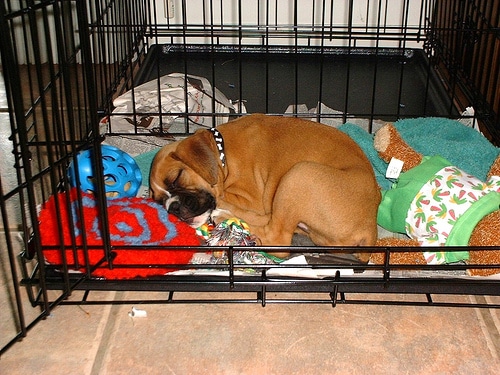
I bet you can see where I'm going with this. Your puppy should see his crate the same way: not a punishment, but a welcoming retreat. 


Image result for puppy in crate

So let's talk about all the times you'll be so glad your dog loves her crate. 

Of course you love your dog and want to be with her always, right? Except when you're trying to finish some important work, or you just mopped the floor, or you need to vacuum the carpet. These are great times to settle pup into her crate with a chewy and shut the door so you can get things done. Maybe you need to run to the store real quick. If pup is in her crate, she won't chew up shoes or TV remotes while you're gone, and there won't be any puddles or piles on the floor. And at night, you'll always know where she is -- no tripping over a sleeping pup when you shuffle to the bathroom in the dark. 

When guests arrive for parties or celebratory meals, pup can say hello and be admired by all and then settled down with a chewy while the humans have their fun. No risk of pup eating things he shouldn't, scampering out the door, getting overexcited and nipping and jumping up, or making a nuisance of himself begging for treats and attention. This is especially useful at Halloween,Thanksgiving, and Christmas, when there are so many people going in and out the door, and so many tempting treats around. 

Crates are great for in the car. Secure it in the cargo space with some straps or bungee cords and it's the best place for your dog, keeping her in place if you suddenly have to hit the brakes or are in an accident. Dogs can be a terrible distraction in the car: climbing over seats, chewing on things they shouldn't, barking, jostling the driver, getting carsick -- it's safest if they are crated, just like a car seat is safest for a child.

Speaking of going places, crates make travel easier, too. If your pup is accustomed to a crate, airline travel will be much less stressful. If you stay at a hotel, your dog will welcome this bit of comfort from home and settle down quickly at night. If you're staying with friends, they will be even friendlier when they know that your pup has good crate manners and his own bed to sleep in. And if you are going to board your dog, think of how pleased he will be when among all the strange new sights and smells, he has a familiar, cozy snug that is his own. 

And if you're lucky enough to work at a place where you can bring your dog, well, I bet you can already think of a bunch of ways a crate at work would be good for you and your pup.

Wednesday, April 4, 2018

Puppy Wrangling: Introducing the Crate

Puppies are babies. They are curious, they explore the world around them with their mouth, they have poor bladder control, and they are faster than you might think. You really need to be watching them constantly -- and fortunately this is easy, at first, because they're adorable and fascinating and so much fun. But eventually you get tired or have to get some work done. How do you keep your puppy safe and out of trouble?

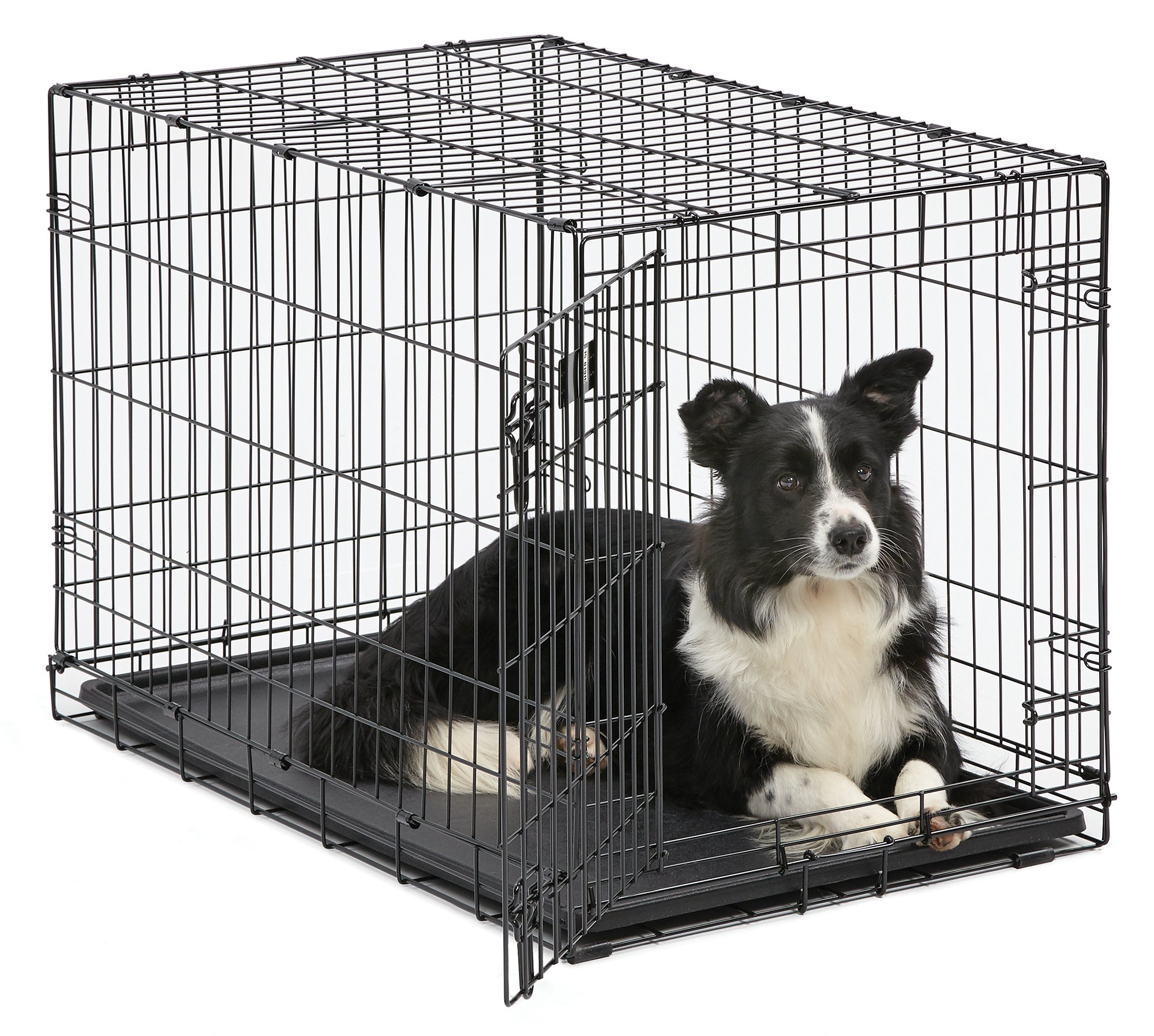
The first thing a pup needs is a crate. It must be big enough for him to stand up and turn around in, and get one large enough for him to grow into. There are many different kinds. I like the wire ones, because pup is contained and safe but you can still see him, and he can see you.  I like to drape a blanket over the back half to make it feel cozier.

Image result for wire crates for dogs

This is your pup's bedroom. It's his very own safe den, and it is important. When your dog is tired, when he is scared by loud noises, when he has a special treat -- this is where he knows he can go to be secure. 

Introduce your pup to his crate gently. Leave the door wide open, with some tasty treats inside, and let him step in on his own. Don't be in a rush to shut the door right away. Let him go in and out and sniff all around. If he seems hesitant, pick him up and gently set him inside, praising him all the time. Show him the treats inside. Don't hold him or force him to stay; let him explore it on his own. 

We want the pup to learn that the crate is a wonderful thing and good stuff is in there. 

Once he's seen and sniffed this interesting new place and is feeling happy, close the door -- just for a second! -- and then open it again right away. Good puppy! Use a calm tone and smile, but don't make it sound like a game; crates are for quiet, not play. 

Did pup even notice the door was closed? Close it again, just for a moment. Then open again and praise. 

Then go do something else.  Play with a toy, go outside for a potty break -- something away from the crate. Later on, go back and show pup the crate again. Take it slow and be relaxed. Once pup is in the crate with a treat, close the door again. Count one, two, three -- and open it. Good puppy!

In these short sessions, you want your pup to learn that the door shuts, but he's not trapped. The door opens again, and you are there, and it's okay. 

Your important job is to wear that puppy out today. Play play play. Make him oh so tired. When you can tell he's ready to nap, go to the crate. Maybe put a favorite snuggly toy in there for comfort. He might go in on his own, but need a few pats from you before he falls asleep. (Or maybe you'll hold him until he's asleep because sleepy puppies are so cuddly!) Once he's in his crate and snoring away, close the door quietly. Wait a moment, then go about your business. 

You want to be there when he wakes up from his nap, so have the crate in the same place you are-- in your office or kitchen or workshop or by the couch. That way you can do your own thing, and still be nearby to open the door of the crate when pup wakes up. 

Let him wake up and realize the door is shut. Tell him he's a good pup and open the door. (Then take him out to pee, because pups always need to pee when they wake up.) 

Over the next few days, you can use those frequent puppy naps to slowly increase the amount of time between puppy waking and you opening the door. When you notice he's awake, talk to him softly for a moment before opening the door. Have him wait a little so he starts to understand that the closed door isn't a problem; that you'll always open it for him. 

Soon your pup will understand that the crate is his den -- his Fortress of Solitude -- where he can relax and sleep undisturbed, and you will have gained a terrific tool for training. 

More on how to use the crate for training next time! 

Monday, March 19, 2018

Welcoming Jenny!

Two months after Josie died, I felt the time was right for another dog. I was still grieving, and thinking about Josie all the time was bringing me to tears almost daily. It seemed like the only thing that would help would be a new pup. Then I could look forward to all the things we'd do together, instead of just looking back on all I'd done with Josie, and missing her.

I did some looking around at local shelters and adoption websites but nothing seemed right. They were all nice enough pups, but they were too far away or the adoption fee was too much or they needed a home without cats. 

In a moment of magical thinking, I talked to Josie like she was right with me, as always. I told her how she was irreplaceable, but I needed a pup to feel right again. Whatever pup I pick will have some big pawprints to step into, so help me find a good one, okay? I said. Then I clicked on to the Adopt-a-Pet website and did a search. Five minutes later I'd found my new pup. Later I learned that I'd sent in my application for her mere minutes after she was listed. It was fast! The next day we drove an hour away to the shelter to see her, and it didn't take long to see that she was just what we were looking for.

Everyone, meet Jenny.


She's a four month old lab/pit mix, and if you're thinking she looks a lot like Josie, you're right. She got those perked ears and a little more white, but the resemblance is delightful. That's where the similarity ends, though -- her personality is very different! 

Where Josie was all about play and food, Jenny is more of a cuddler and takes her time to finish a meal. Jenny is bright and learns quickly, but she doesn't have Josie's drive. Josie would play fetch as long as you kept throwing, but Jenny will bring the ball back for a few throws and then suddenly there's a bug going by that is much more interesting-- or hey, maybe we should just roll in the grass for a while! 

Having a puppy around has got me thinking of puppy stuff, so I think my next few entries will be about the extra work and care that having a young dog around means.  Stay tuned for that! 

Monday, January 29, 2018

Remembering Josie

Three weeks have passed since we said goodbye to Josie.

She developed balance issues about six months ago, starting with a tendency to lean to the right that slowly developed into not being able to stand unassisted. The vet thought it was caused by a tumor somewhere along her spinal cord or perhaps in her brain. She was eleven years old and I didn't want her last months to be full of tests and procedures, so we just kept her comfortable and helped her around as best we could.

She was so brave and determined, right up to the end, but finally the falls became too frequent and my helping guiding hand was not enough. I saw her become depressed and lethargic. Life was just too hard.

It's a terrible and painful thing to arrange to have your dog put to sleep. A lot of my friends reminded me that it's the last kind thing we can do for our pets, giving them a comfortable death rather than letting them suffer longer. And I know that's true. Josie trusted me with every aspect of her life care, and now I had to make this last, hardest, best choice for her.

The day I chose her at the animal shelter, all those years ago, I held her in my arms as the technician injected a microchip into her neck. She gave a loud yelp, and I told her she was very brave and it was over, and she was mine now. I remember her wagging tail. We were officially a team.

She was never much of a cuddler. She was more a dog of action. She'd rest her chin on my lap so  I could rub her ears, but mostly it was a bid to get my attention so we could play. Or perhaps it was mealtime, or time for a biscuit. So I always treasured any time when she would let me really get in there for a good snuggle.  The best times were when I'd throw some blankets and pillows on the living room floor and we'd make a cozy nest and watch movies. Well, I'd watch movies. Josie was there for the popcorn. She'd lie alongside my outstretched legs and we'd be lazy layabouts together.


Now I held her in my arms again as the vet gave her a different shot; the one that would send her into a deep sleep and eventually stop her heart. She gave another yelp and burrowed deeper into my arms and lap, knowing I would protect her like I always did. I told her how much I loved her, how it was okay, she was the best dog ever. I sang to her a bit, and did my best not to get too emotional so she wouldn't worry. And she got heavier in my arms and her breathing slowed, until finally the vet said that she was gone.

I haven't felt right since. Some days everything seems fine, and then suddenly my nose will start to sting, my cheeks will get hot, and tears will start. I talk to her and try to explain how I'll be all right, but it takes time to get used to missing her. 

A deep love, a deep loss. You were the best dog, Josie. I love you.


Thursday, January 25, 2018

The Magic and Science of Walking (Part 5)


So here we are, outside. The door is shut behind us and this very good dog is sitting and waiting for the walk to begin. Are you ready? Make sure you have his attention by saying his name so that he looks at you. Use a command that let's him know it's time to move. "Heel" is traditional, but I use a simple "Let's go!" Then step off and we're walking!

Keeping your dog close is a good idea; he's easier to manage and control, and it reinforces in the dog's mind the idea that you are a team, together. Eyes ahead, you maintain a brisk, steady pace -- don't hurry, but keep a definite "we're going this way, adventure ahoy!" attitude. No stopping to sniff things, no dawdling; you're on a big important walk and here we go. It's all about you, human person, and you decide where to go and how fast. You are the decision-maker. 

Now this might be exciting for your dog, and he is probably going to fall into his old habit of charging ahead. That's not how it goes anymore, though, so you have to let him know that there's a better way. Stop, and tell him to sit. 

Image result for dog walk

Look at that! Good dog! Wait for a second or two, then get his attention and let him know what to do:"Sparky. Let's go!" and walk on. 

Oh wait. You say he didn't sit? He's still pulling? 

Image result for dog walk pulling

He's not listening to you. You aren't interesting enough. Remind him that you're there by giving a check on the leash -- a short sharp tug. Do it twice, and if he still isn't listening, then back him up. Walk backwards yourself, and keep checking the leash as you go back: tug, tug, tug. Make a disagreeable sound like "Nah, nah, nah!" to let the dog know you're not happy. 

Notice I'm not saying to pull the dog. A long, steady pull gives the dog something to lean against and resist. The uneven tug and release of checking gives him nothing to fight against -- if he tries to lean, he'll lose his balance. He has to keep moving and readjusting himself. It's uncomfortable for him. 

Back him up three or four strides and ask him to sit again. No sit? Keep backing. I once backed a dog up half a block before he decided that it was easier to just do as I asked.  

What you want to do is make it easy and pleasant to do the right thing, and make doing the wrong thing difficult and unpleasant. Dogs are like anyone else-- they want to be comfortable. Once your dog figures out that walking nicely is comfortable and anything else is no fun, he'll make the right choice. 

Once you get that sit, you can cheerfully continue the walk. Get used to mood swings like this when training. Help your dog recognize what makes you happy and what doesn't as he does it. It's no use debriefing him afterwards ("Now Charley, you did great at first, but then you tried to chase that cat and so next time we need to...") Dogs live very much in the moment, so praise or correct right away. 

As you walk, keep the leash short but not tight. Your dog will learn that he can be comfortable walking close to you, but if he moves away he gets checked. 


Image result for dog walk
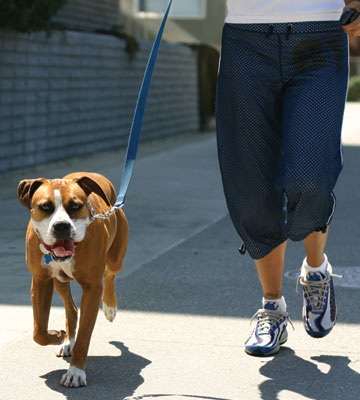
This leash has the perfect amount of slack. 
(Kindly ignore that wretched chain collar. It's very hard to find pictures of dogs and people walking nicely together and I gotta use what I can.)

If you hold your dog close to you on a tight leash, he will be where he's meant to be, but he's not learning to stay there on his own. As soon as you release the tension on the leash, he'll feel the freedom and take off. It doesn't teach him anything and it's a lot of work for you. So let there be a looseness in the leash and give him a check if he starts to move too far away. (This is one of the reasons I hate extendable leashes -- they keep a constant tension, so your dog never learns where he can be comfortable.)

This takes timing and practice, and at the beginning you'll feel like you're nagging that poor dog to death. All beginnings are hard. You'll get it. In the meantime, think of it as you and your dog having a little conversation about figuring stuff out. He's learning, too. 

 Okay, there's some stuff to work on. Go for a walk! I'll see you next time.