Monday, November 18, 2019

Oh No, I'm LOST!

It's a terrible feeling to lose a pet. Where are they? Are they okay? Will they come back? The anxiety and uncertainty is awful. 
Related image

But according to an ASPCA survey, about 85% of lost pets are recovered. There are some things you can do to help your pet get back home. 

The most important thing you can do to protect your pet is to microchip your pet, and make sure it wears a collar with an identification tag with the owner's name and phone number. Animal shelters  routinely scan for microchips when an animal comes in, and any veterinarian will check for one if asked. 
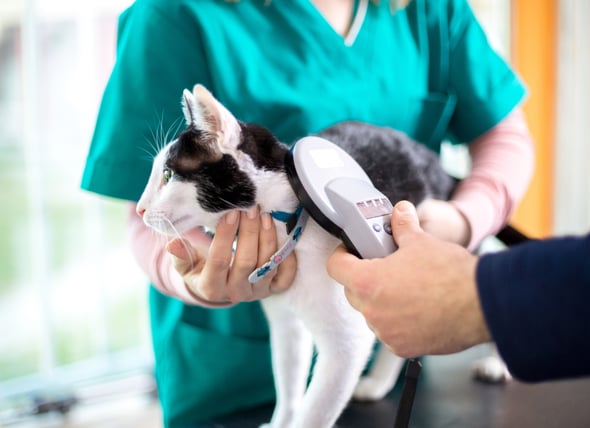
Image result for pet microchip

Speaking of veterinarians and animal shelters: let them know your pet is missing. Start right away, as soon as you suspect your pet is missing. Check back often, especially with the shelters. Some only give found pets 72 hours to be claimed by an owner before they are put up for adoption or euthanized, so don't delay. Bring in a poster that includes the date your pet was lost, and from what area. Make sure it has your name and phone number, and mention any identifying characteristics that might make your pet stand out. If your pet has any special needs, put them in. Here's an example:

MISSING PET: Arlo is a neutered three year old male black lab. He was last seen on July 23, near the Walmart on Maple Street. He has a white tip on his tail. He is friendly, but might be scared. Do not chase! Call Brenda and Don at 123-555-1234

Add a good, clear, up-close picture of your pet. If you have a dog that gets groomed and clipped, take pictures showing what he looks like before and after grooming. 
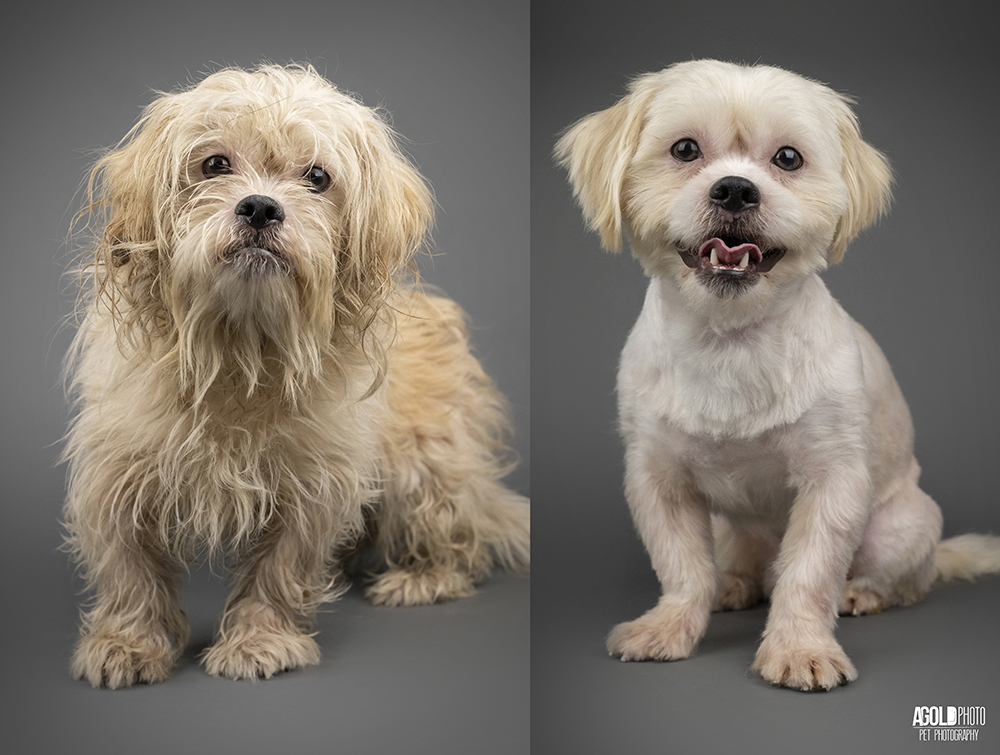
Image result for before and after grooming
A clean, clipped dog can look very different between haircuts and after a few nights sleeping rough. 
Put these flyers up around where the pet was lost, and around your neighborhood, and don't forget the power of social media. Facebook is great for getting the word out. Nextdoor is a social media site that posts to people in your area; easy to use and a good resource for getting those lost and found critters back home.

Fortunately, animals have a natural homing instinct and if they stray from their yard and home, they can usually find their way back. A slightly different situation is the indoor cat that gets outside. Because they haven't established their scent outside the house, they have difficulty recognizing what is home. If your indoor cat gets outside, they often find a place to hide and lay low. The first thing to do is to put their litterbox outside. The familiar scent will guide them. Because they want a place to hide and be safe, put a box or crate outside with a towel, blanket, or shirt inside that has your scent on it. 

Image result for cat box outside
Something as simple as this works just fine. 
I used this strategy myself when our cat Speck streaked outside through the screen door late one night. She was gone over a month, and then one day I came home and she was sitting inside the shelter box, waiting for someone to let her in. She had lost a lot of weight, and we think she probably hid in someone's shed and got shut in accidentally. When a cat goes missing, it's a good idea to go around to your neighbor's homes and ask them to check any outbuildings, to make sure the cat isn't trapped inside. 

Another special situation is the dog out of place, like if you go hiking or hunting. An excited dog following a scent or running after wildlife might not respond to your calls, or might be farther away than you realize. Where's that dog gone off to?The worst part is when it's time to go home and you still haven't found your dog. How can you just leave? It feels like you're abandoning him! 

Again, use the power of scent recognition and tracking. Leave a blanket or jacket in the spot you were last together. (Don't leave food, as that might attract other wildlife.) If you have a crate, that's great. Attach a note to these items, if you can, saying that you're attempting to find a lost dog -- that way other people won't assume the stuff is litter. Come back and check often. My dad had to do this when our dog Duchess didn't respond to his calls. He came home after dark feeling just awful, but the next morning he went out to look some more and there she was, curled up on his hunting coat waiting for him. Where did you go, man? I've been here all night!

I sincerely hope your pet never gets lost, and is always safe and happy at home or right by your side.  

Tuesday, November 12, 2019

What's in your cat box?

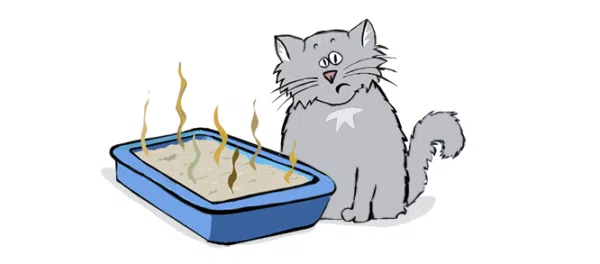
When I was a kid, there was one kind of cat litter. It was grey and gravel-y and came in a heavy paper bag. When you dumped it into the catbox, a choking cloud of acrid dust would come up. When the cats were done with their business, it stank. In my childhood home, cats were encouraged to go outside, and the catbox was located in the basement if they needed it. Cleaning it was a horrible, hated chore. 

Image result for smelly cat box
I'm sure the cats weren't too happy about the whole thing, either,

Then clumping litter came out, and that was just awesome because it made it easy to get all the yucky stuff out, leaving clean litter behind. I love a good clumping litter. It's what I use and recommend. And in the last twenty years or so, dozens of other litter varieties have come on the market.

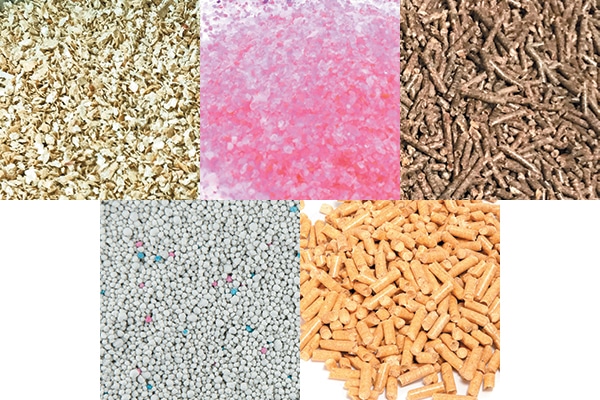
Image result for kinds of cat litter
So many kinds of litter! And these are only a few!

"Oh boy," you're thinking, "Now she's going to start telling us her opinions on all the things wrong with any other kind of litter."

But actually, I'm not. And here's why:

Cats are finicky. They like what they like and hate what they hate, and often make their feelings quite clear about preferences.

I will say that most cats seem to prefer finer-textured, unscented litter. They like it to be nice and deep for good digging and burying, and they like it to be clean.

I've got clients that use pine pellets, crushed walnut shells, recycled paper, ground corn cobs, wheat pellets -- all kinds of different litter. There are definitely some I find easier to keep clean than others but when it comes right down to it, if your cat is happy and healthy using it, it's a win. (However, I have heard the desiccant crystals can be hard on a cat's paws, causing dryness and cracking.) So find one that you and your cat like, and to heck with anyone else's opinion.

Because if your cat is unhappy with its litterbox, you're going to find out in a variety of awful ways.

-- They will find another place to do their business: laundry baskets, your bed, closets, etc. I guarantee you will not be happy with their choice, and it is very difficult to get the smell of cat whiz out of anything.

--They will not use the box as frequently as they need, preferring to "hold it" until they simply must. This can lead to bladder infections and other issues.

--They will do a "hit and run" where they spend as little time as possible in the box, leaving deposits unburied. Ahh, the aroma. It wafts, this bewitching scent, throughout the house.

Image result for disgusted face
"Welcome home. I hate this litter. Love, your cat."
Find one you both like. Keep it clean. That's pretty much it! 


Friday, November 8, 2019

Hooray for Kongs!

Dogs are all different when it comes to what they like to play with. Some are chewers, some are chasers, some like tugging and wrestling, most go wild for a squeaker. Sometimes a toy will be ignored for weeks and then overnight become a solid favorite.  But there are some toys that have become classics, and that's because almost all pups love them.

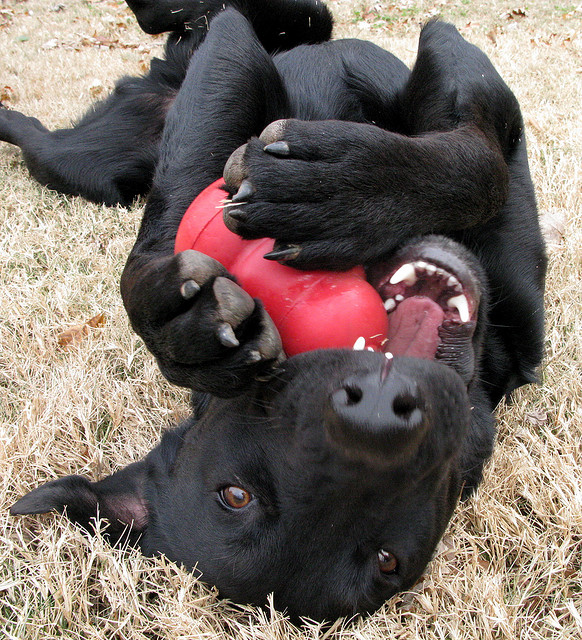
Image result for dog with kong

I wish I had stock in the company that makes Kong. They started in the 1970s but really seemed to explode in popularity in the 90s. Their classic Kong toy, resembling a red rubber snowman, is found in almost every dog owner's home -- and for good reason. Dogs love its wobbly, unpredictable bounce when thrown, and the hollow center can be stuffed with yummy treats. 

As a petsitter, I recommend Kongs to all my clients. A dog with a stuffed Kong in a crate or other enclosed, dog-safe area is set up for success when home alone: happily working away on their treat until they settle and fall asleep.

Kongs come in a lot of sizes, and it's important to get the right size that will be safe for your dog. If your dog is a champion chewer, you can get extra tough Kongs. Read the label and ask store staff if you need help picking the right one.

What makes a great Kong filler? You can buy specially-made stuff at the pet store, but it's much less expensive to make up your own things at home, based on what you know your dog likes. I find a combination of stuff works best, to keep the dog interested. You might be thinking cheese or peanut butter would be perfect, and boy, your dog would probably go wild for that! But it's awfully fatty, so you would only want to use a little. I like to put in three or four kibbles or small treats to start. Then a few spoonfuls of canned pumpkin. Dogs usually like the taste of pumpkin, and it's satisfying without a lot of calories. Maybe a spoonful of plain yogurt, then a few more kibbles, and just a smear of peanut butter to top it off. Then freeze that, and you've got the perfect "pupsicle".


 Image result for kong filling ideas

You can find lots of recipes and ideas for Kong stuffings all over the internet. They can be as plain or fancy as your dog likes! 

It's important to remember that a treat like this will add extra calories to your dog's diet. Keep it healthy, and adjust his regular mealtime rations to avoid overfeeding. 


Monday, November 4, 2019

A Little Bit of Home Grooming

I've spent the last week putting my hair up in sponge curlers every night, trying out hairstyles for an upcoming wedding reception. Curls and tangles and brushes and sprays -- and somehow I always end up looking like a cocker spaniel, with a poof of bangs and curls around my ears. Well, it's a cute look for a pup, anyway.

Image result for cocker spaniel

 I don't know a whole lot about styling my human hair, and I've never trained to be a professional groomer, but I do have some things to say about caring for your critter's coat.

There are dozens of styles of combs and brushes available. Which is best for your pet? A dog or cat with long hair is going to have different needs than a short-coated animal. 

Short hair/smooth coated dogs are pretty easy to keep neat:
Image result for dog grooming brush
I like to start with a soft rubber or silicone brush. I rub this in circles over the dog and it works loose all the shedding hairs. This kind of brush is also great for working shampoo into the coat during baths. 
Image result for dog grooming brush
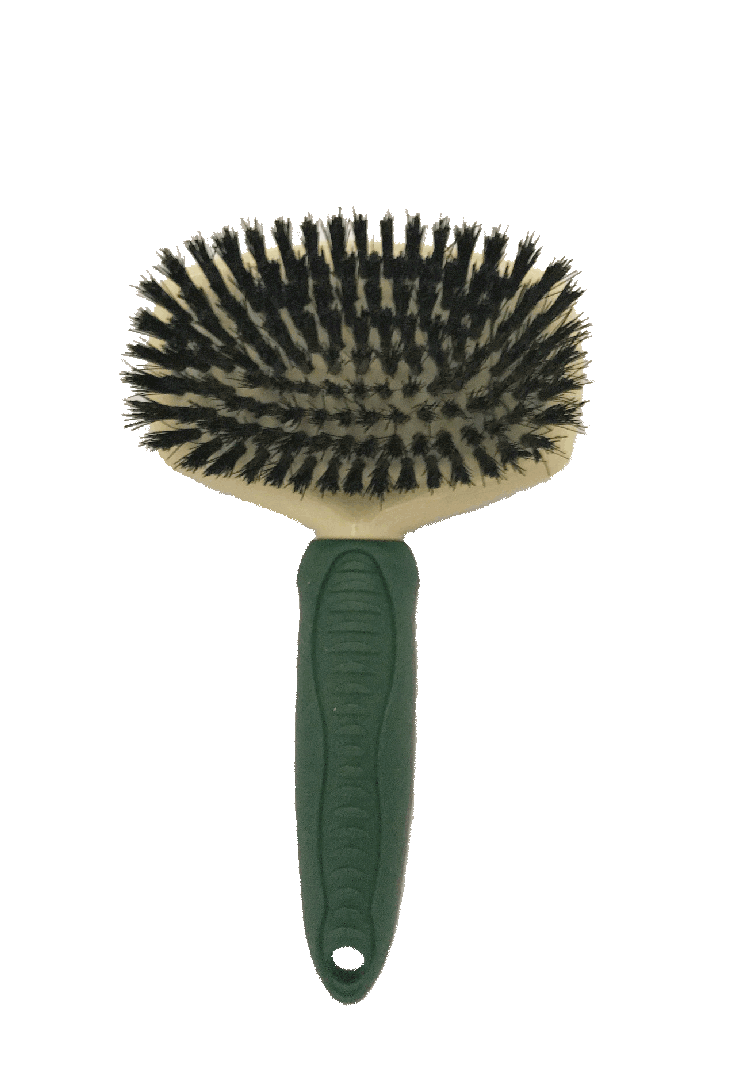
Then go over the dog with a bristle brush to remove all the loose hair and smooth down the coat, leaving it neat and shiny. All done! Have a biscuit.


Long haired dogs and cats take a little more work, a little more often. Here's drawing I did to help show why:

"A" shows a clean coat, freshly brushed, with no undercoat. Air can flow freely through it, so it dries quickly and dirt doesn't get trapped. 

"B" shows the shorter undercoat, which is fluffy and fine, unlike the smoother, thicker hairs of the  topcoat. All cats have a soft undercoat, and most dogs do. Some dog breeds have more undercoat than others, especially huskies, shepherds and other cold-climate breeds. Undercoats are great because they help insulate and keep the animal warm. It's needed and necessary! 

"C" shows an undercoat that has become too thick and matted. Those fluffy, fine hairs get tangled together and can't shed out like they should. See how the long top coat looks the same? But underneath, that undercoat is trapping heat and dampness against the skin. This can cause skin irritation, and it makes it difficult for your pet to regulate his body heat. After a while the mats and tangles get larger and more easy to see, but are harder to remove. 

To groom long hair, you need something that will reach through the top coat and get down to help remove shedding hair out of the undercoat. You don't just smooth the surface!

The traditional wire brush might work if your pet has fine hair. The wire bristles can be sharp and scratchy, so some pets don't like them. (They're great for fake fur, though!)


The Furminator and its knock-offs were popular for a while, and are still out there. There are a few styles, but mostly I see this one: 

Image result for furminator

See how short and fine the teeth are, and how close together? They're only about a quarter of an inch long. Those teeth will never reach the undercoat. 

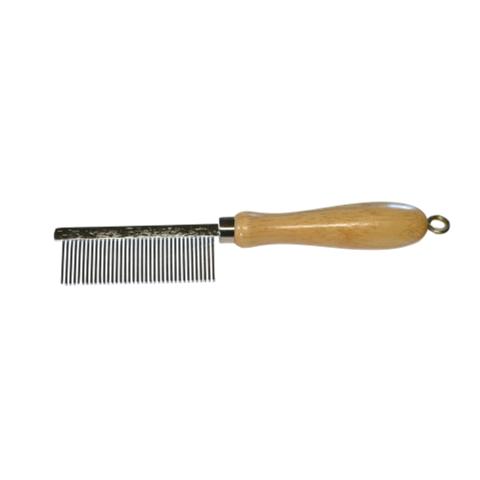
What I really like for grooming long hair is a metal comb like this one:

Image result for pet comb
The long teeth reach right down to the skin, and allow you to pull the loose hair in the undercoat up and out. The metal teeth won't break, and the handle is comfortable. 

Now, some folks see a tangle or mat and reach for the scissors. But because those mats are usually just undercoat hair that's trapped, sometimes they will just pull loose when you start combing. If you feel you must use scissors, try cutting the mat in half in the direction of the hair and then see if you can comb it out. 


That... is a gross picture. But mats are gross!

Another trick to try is some de-tangling spray. It won't dissolve mats, but it will make the hair slippery so that clumps and knots slide out more easily. Go slow, be gentle and kind, and keep your grooming sessions short so your pet doesn't feel like its an ordeal. Treats are always helpful and appreciated.

A really good way to brush long hair is called "line brushing". You lift up sections of hair so you can brush right out from the roots. It's a little hard to describe so I found a video that shows it. It takes some time and your dog or cat needs to stand or lie still while you work. Try grooming a small section at a time -- maybe just one shoulder or hip-- being generous with praise, and then do another section the next day. 

If your pet is well and truly matted, a groomer can advise you on the best way to proceed. Sometimes clippers are the answer, and it's much better to have a clean, healthy. slightly-funny-looking pet than one that is uncomfortable and unhealthy. 

Want to see what a matted cat can look like? I promise this video is not gory or disturbing. Just a sweetly sedated kitty being gently cared for by a loving vet tech. You can see how a cat can look relatively normal on the outside, while growing a matted undercoat underneath. Just click here! 


Tuesday, October 22, 2019

Litter Box Talk!

I've scooped and scrubbed a lot of litter boxes in my time as a petsitter, and I have formed some definite opinions on what makes a good place for cats to poop. So today I'm talking about your cat's bathroom options.

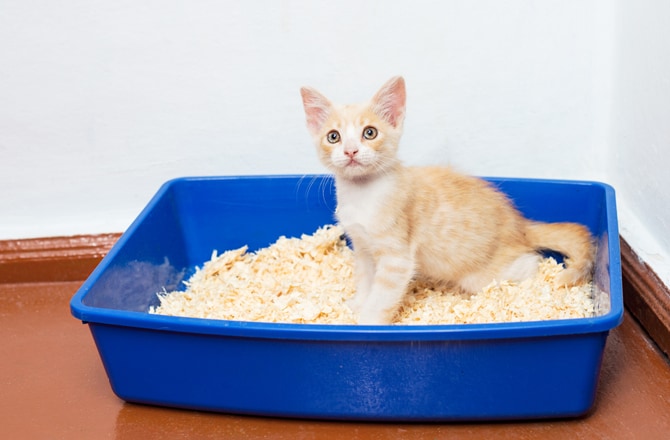
Image result for cat litter box


Here's your basic sandbox: about five inches deep, about 15 x 18", plastic and rectangular. These are available anywhere pet items are sold. Cheap and easy to clean. Cats usually like them, but owners quickly discover that there is a problem: litter goes over the sides easily and has to be cleaned up, and sometimes cats will stand in the box and poop/pee over the edge, not realizing that their aim is off. So then this happens:

Image result for cat litter box

Back to the store to buy the snap-on wall extender. No more peeing over the edge! Now urine just hits the side and seeps into the space between the box and snap-on rim, where it leaks, dribbles, dries, and stinks. The front is cut low "for easy entry", so there's still some litter getting kicked out. So then this happens:

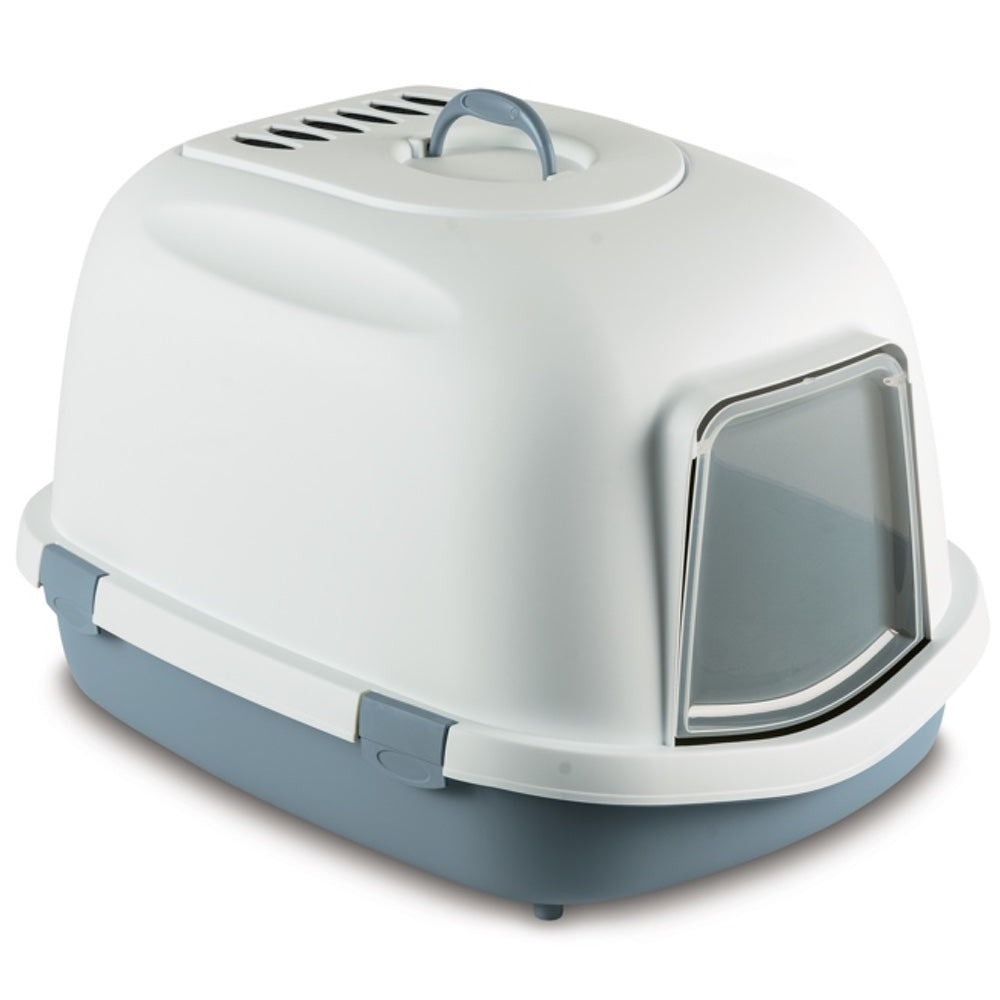
Image result for cat litter box

Okay! Now there's a vent at the top to filter stinky air, and the whole box is enclosed to keep the litter in. So this must be the perfect litter box, right? Except that you have to take off that whole lid in order to scoop, and I can tell you from experience that at least three of those four clips will break in the first few months. And there's still that snap-on space between bottom and top where urine can accumulate, and that vent on top is where the stinky cat box smell comes out. Oh, you can put in a filter to help? There's not enough air flow to make a filter function properly, so it's quite useless except for holding odor in. This box has a door flap, so it actually might also keep odor in fairly well -- a reason your cat might refuse to use it. Take the door off? Sure. Now there's more litter on the floor. 


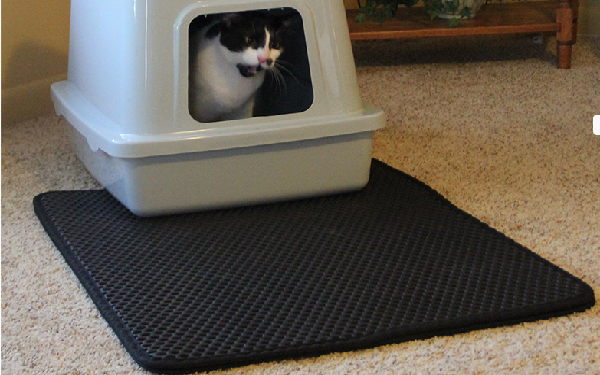
Image result for cat litter box mat


A mat! Now you're thinking. You can vacuum it when you vacuum the floor. So... just an extra thing to vacuum, then, isn't it?

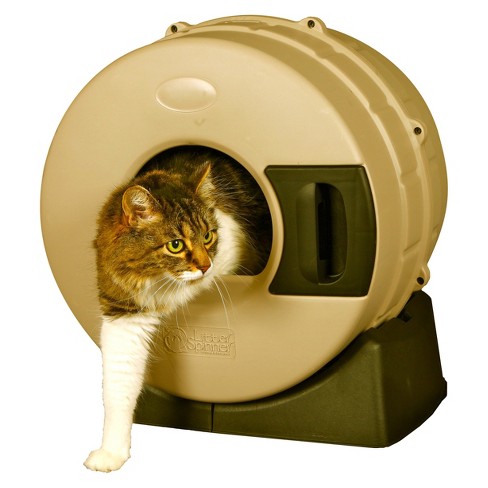
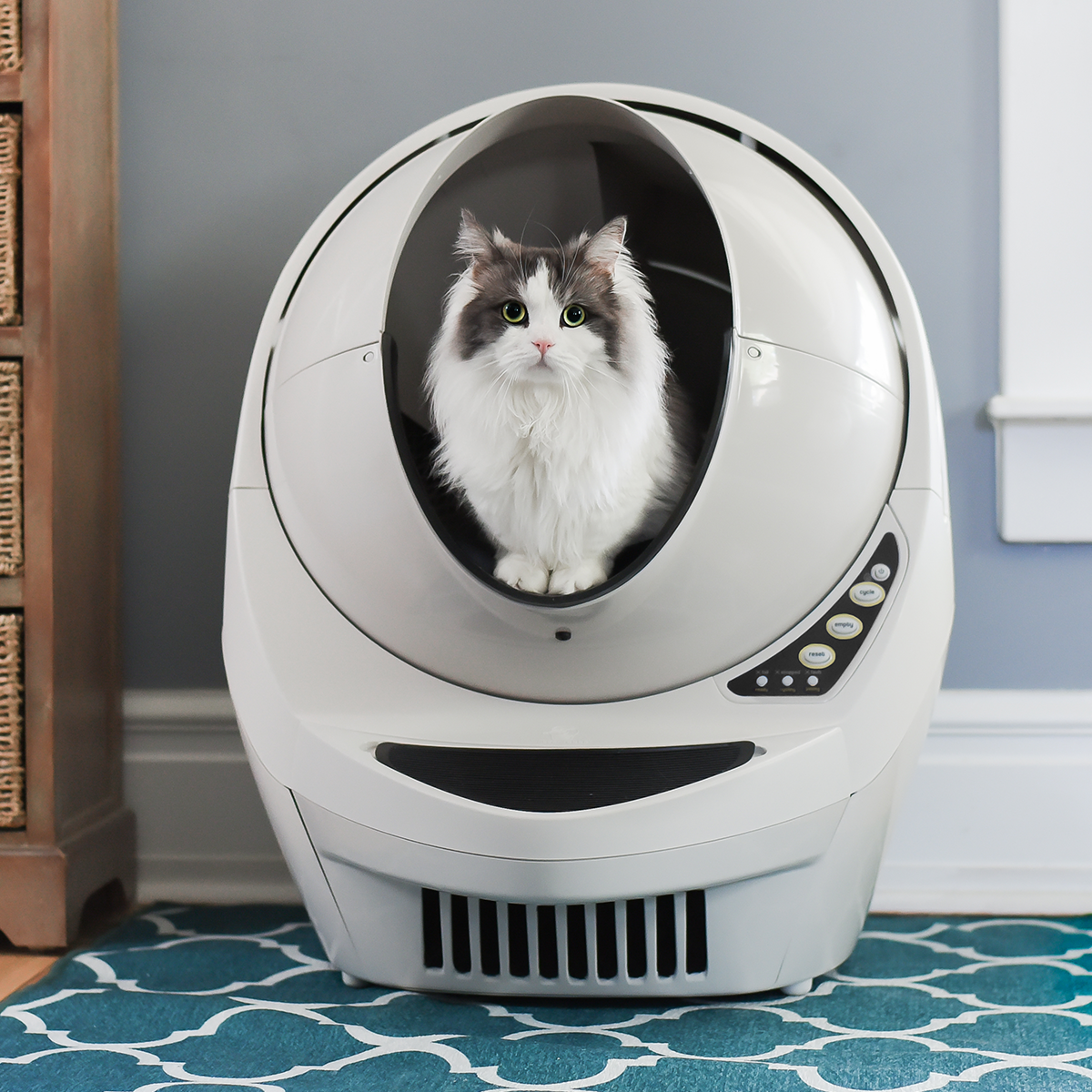
Then there are all the more gadget-y options that spin, sift, and make all sort of clean, fresh promises for you and your cat:

Image result for cat litter box

Image result for cat litter box

Image result for cat litter box

That last cat looks as if she were ready to go for a ride if someone would just fire up her hovercraft.


Okay, Karen, I hear you saying, so what's YOUR solution? What is the perfect litter box? 


Image result for rubbermaid totes

It's a 14-gallon storage tote! Generously sized, it has walls as tall as your cat. The heavy duty plastic won't crack or break and is easy to clean, with no extra pieces or parts where icky stuff can accumulate. I've used these for years and never found anything I liked as well for simple hard-wearing dependability. I don't use the lid at all, though if you have a curious dog, cutting a hole in the lid will give the cat access and keep the dog out. Don't make the rookie mistake of cutting the side down or putting a hole in the side to let the cat in -- your cat can jump onto the bed or kitchen counter; he can certainly jump into the litterbox.

I like that it holds a lot of litter -- six inch deep litter is usually enough to let the litter clump without sticking to the bottom, which makes clean up easier. Scoop often, and every once in a while I dump out all the litter and give the tote a good wash.

Keep it fresh! Clean litter box = happy, healthier cat!

Monday, October 21, 2019

The Magic and Science of Dog Walking (Part 6)

It will take some practice before you and your dog start walking as a team with no pulling. You might feel like every walk is a struggle and there might be times you lose your cool and give a yank on the leash, or holler -- or both. I'm gonna say something here that might seem controversial: it's okay. If you have been correcting your dog's pulling behavior with consistent checks on the leash and backing up and he was doing okay at first but now he just ignores you and goes right back to pulling, it's frustrating! Let's think about it from a few different angles:

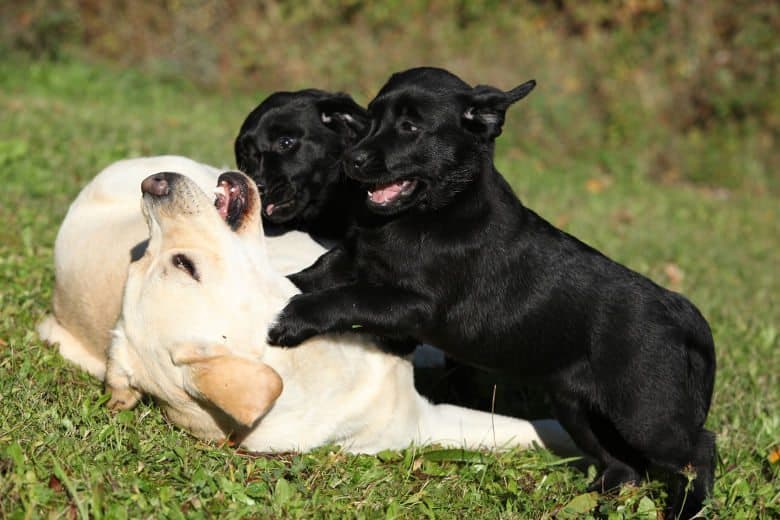
Mama dogs put up with a lot from their pups. She'll lay there, trying to have some peace and quiet in her life, and those pups will be swarming all over her: tugging on her fur, pouncing on her feet, nipping her ears, yapping yapping yapping -- and she'll put up with it for longer than you'd expect with gentle good-nature. But when she's had enough, she'll put a stop to it with a snap or a bark.

Image result for mother dog playing with puppies

Mama human wants her child to take out the trash. She mentions it at dinner, asks the child to do it before watching tv, reminds the child again when the show was over, and finally hollers and screams until the child gets up and take out the trash.

Image result for nagging mother


In both cases, the youngster is learning just how far they can push or ignore Mama. What's her limit? When will she really mean it? Growing up, couldn't you always tell when your mom meant business? She'd have a look, or her voice would get a certain tone, and you knew it was time to straighten up. This "learning when someone means it" is an important part of growing up.

Now let's think about this: would you like to ask and ask and ask and ask, hoping to get a result, or is it better to ask once and be obeyed?

If your dog is confused by what you're asking for, corrections won't help him. Go back to earlier training to help him learn what is expected. But if you know the dog understands what you're asking for, and he's just not paying attention, then you need to up your game. Make those checks on the leash a little more impressive. Add an angry sound or word ("Uh uh!" "No!") to let him know you're not happy.

A quick note: please don't use your dog's name to scold him. Saying "Arthur, no! You bad dog! Arthur! Bad dog, Arthur! No!" will make him think "arthur" is one of your angry words and he won't respond to it as readily. Remember what it meant when your folks called you by your full name? Boy, were you in trouble! Your dog must always associate his name with good, friendly things.

Cute Search Dog Sniffing The Grass In The Park, Sad Dog On A ...


Oof, this is hard work. Let's give your dog a mental break and let him sniff around in the grass. Stop and ask your dog to sit. Say his name to get his attention (Sparky!) so he looks at you (good dog!) then let him know it's okay to relax (Okay, go ahead.) and give him more leash so he can sniff around.  You can stand and catch your breath.

He's learning that walking is walking, and sniffing, peeing, and exploring are different. It's frustrating to walk a dog that insists on keeping its nose to the ground every step of the way, and stops every three feet to mark his territory. You're teaching him that you decide when and where he can do those things -- so be considerate and stop now and then to let him take care of that important dog business.  It makes him more willing to go along if he knows you'll let him sniff at his favorite spots. If you walk the same route daily, he'll soon learn the places where it's acceptable for him to stop for a break.

To wrap up all this magic and science of dog walking, I have one last piece of advice: take your time and don't worry. (Is that two pieces of advice? Hmm.) Some dogs learn very quickly, others take a while to figure out what you want. It's all part of your own dog's special personality, unique to him, and as you work together to figure out this whole "walk with no pulling" business, you will be building a closer relationship with each other. That's what it's all about! 

Friday, October 11, 2019

Why Crates are so Great

I was a busy, noisy kid. My imagination led me on wild adventures, and there were times when my mother must have been at her wit's end, with me running through the house yelling, sneakers pounding across the floor, leaving a trail of sandwich crusts, toys, and tracked-in dirt everywhere I went. Just like a dog, really -- except for the sneakers, I guess.

Whenever the noise and mayhem reached a critical level, my mom would yell, "Go to your room!" Lots of times I'd run in, slamming the door and flinging myself on the bed in a burst of tears -- but five minutes later I'd be reading a book or working on a puzzle or even sleeping. My bedroom, with my cozy bed, toys, books, and games was where I could settle down and relax. 

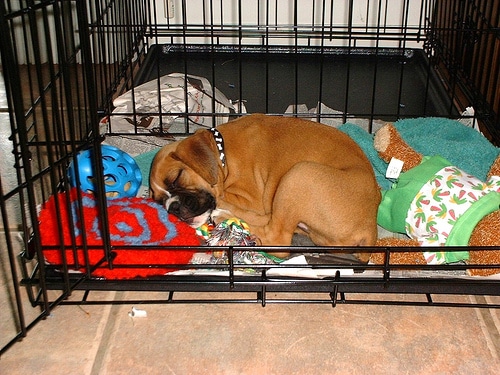
I bet you can see where I'm going with this. Your puppy should see his crate the same way: not a punishment, but a welcoming retreat. 


Image result for puppy in crate

So let's talk about all the times you'll be so glad your dog loves her crate. 

Of course you love your dog and want to be with her always, right? Except when you're trying to finish some important work, or you just mopped the floor, or you need to vacuum the carpet. These are great times to settle pup into her crate with a chewy and shut the door so you can get things done. Maybe you need to run to the store real quick. If pup is in her crate, she won't chew up shoes or TV remotes while you're gone, and there won't be any puddles or piles on the floor. And at night, you'll always know where she is -- no tripping over a sleeping pup when you shuffle to the bathroom in the dark. 

When guests arrive for parties or celebratory meals, pup can say hello and be admired by all and then settled down with a chewy while the humans have their fun. No risk of pup eating things he shouldn't, scampering out the door, getting overexcited and nipping and jumping up, or making a nuisance of himself begging for treats and attention. This is especially useful at Halloween,Thanksgiving, and Christmas, when there are so many people going in and out the door, and so many tempting treats around. 

Crates are great for in the car. Secure it in the cargo space with some straps or bungee cords and it's the best place for your dog, keeping her in place if you suddenly have to hit the brakes or are in an accident. Dogs can be a terrible distraction in the car: climbing over seats, chewing on things they shouldn't, barking, jostling the driver, getting carsick -- it's safest if they are crated, just like a car seat is safest for a child.

Speaking of going places, crates make travel easier, too. If your pup is accustomed to a crate, airline travel will be much less stressful. If you stay at a hotel, your dog will welcome this bit of comfort from home and settle down quickly at night. If you're staying with friends, they will be even friendlier when they know that your pup has good crate manners and his own bed to sleep in. And if you are going to board your dog, think of how pleased he will be when among all the strange new sights and smells, he has a familiar, cozy snug that is his own. 

And if you're lucky enough to work at a place where you can bring your dog, well, I bet you can already think of a bunch of ways a crate at work would be good for you and your pup.